
Wasiliana Nasi Sasa



For animal fat plants, compliance and food safety belong inside the design from day one. If people want to sell into food and feed chains, they will need a HACCP plan and a food safety system aligned with standards such as the ISO 22000 or others.
Even if they only target technical or fuel markets, buyers still expect traceability and control of contamination and of mixing between different risk categories. Fuel buyers will also care about fuel-relevant properties of your animal fat, especially acidity and any contaminants that could depress flash point or stability in their final biodiesel. Standards such as EN 14214 for biodiesel cap finished fuel acid values at about 0.5 mg KOH/g and require minimum flash points of at least around 101°C, and in some cases 120°C or higher, so the crude fat specifications they give you are usually set with those targets in mind.
National rules on animal by-products set conditions for how category 3 material can be collected, rendered, stored and transported when it is used in feed, pet food or fuel instead of being destroyed. Those rules define how the plant must work; they are not the afterthought.
As for the environment, rendering is one of the most effective ways to stabilise animal by-products and avoid emissions from rotting material, but that benefit only holds if odour, wastewater and residues are handled well. And that means enclosed or well covered processing, vapour condensation, odour treatment, fat skimming on the effluent line and safe handling of some solid residues. Planning for the stricter likely standard now usually costs less over the life of the plant than rushed retrofits and unplanned shutdowns when complaints or tighter rules arrive.
When people start planning an animal fat business, one of the first hard decisions is whether to stop at crude oil or build in refining. That single choice defines your commercial positioning, the margin you can realistically earn per ton and the kinds of buyers you can serve. If it stays vague, it is very easy to invest in equipment that is either too shallow for the specifications you offer or too deep for the prices your markets will ever pay, so I push this decision to the front of any design discussion.
Process Differences.
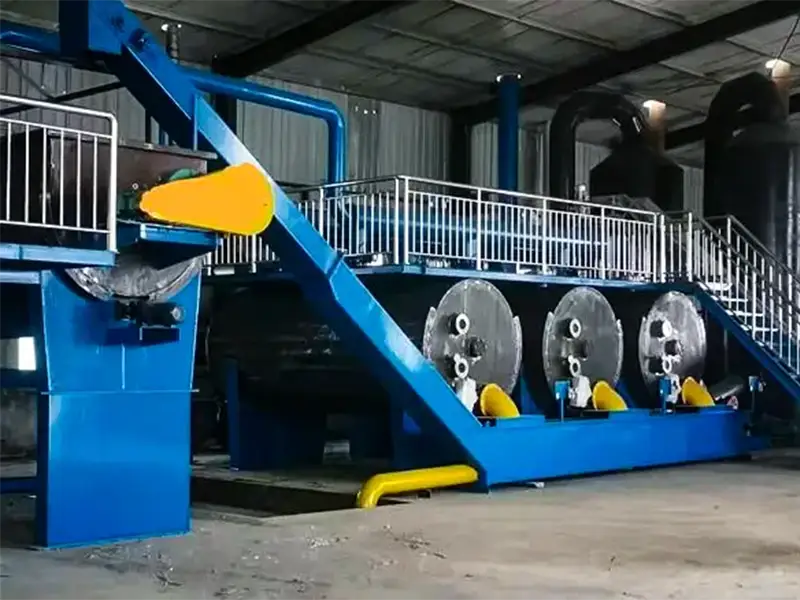
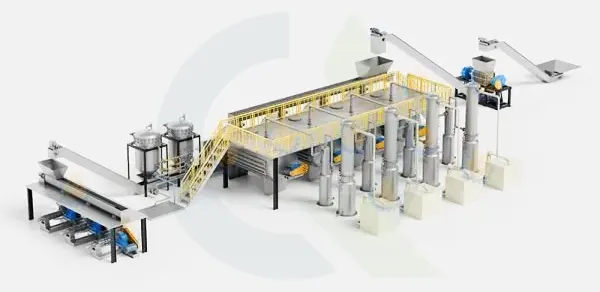
Crude animal oil is what you obtain directly from rendering plus basic impurity removal. Raw materials are first ground and crushed into relatively uniform small particles and then stirred and heated in a closed vacuum rendering kettle. The oil-residue mix leaving the kettle is then processed by a secondary screw pressing machine to recover additional fat. After that, the crude oil is allowed to settle, then screened or passed through simple filtration and stored in appropriate tanks as crude animal fat. If the rendering line is designed and operated well, this crude oil can be quite clean, but it still carries free fatty acids, some moisture, fine solids, natural pigments and strong odour compounds from both the raw material and the heating step.
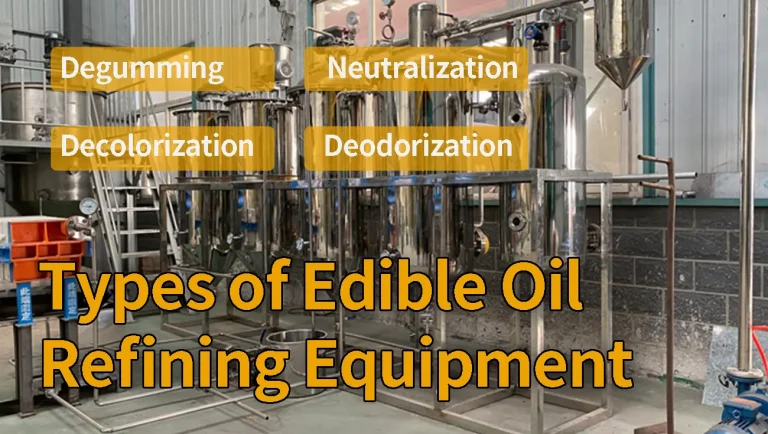
Refined animal oil starts with that same crude stream and then passes it through an extra “polishing” step. And that means a controlled refining train with stages such as water degumming and dephosphorization, neutralisation/deacidification, washing and drying, decolorisation/bleaching, filtration and vacuum deodorisation, with the exact combination adjusted to your target markets.
For animal oils used in special applications, where wax content needs to be reduced or the fat kept liquid at room temperature, you may also add winterisation or fractionation to separate harder and softer fractions, but that is more about product design than basic viability.
Quality, Stability and Shelf life.
Those process choices show up very clearly once you start storing, shipping and using the oil. Crude animal oil tends to have higher and more variable free fatty acid levels, a darker and less predictable colour and a noticeable odour. If separation and filtration are basic, there is also a higher risk of residual moisture and fine solids that end up as sludge in tanks or deposits in customer equipment. Shelf life is shorter and more sensitive to temperature, air contact and tank handling, especially in warm climates or where tanks are frequently opened.
Refined animal oil is built to be more neutral and more stable. Free fatty acids are reduced into a narrow band, which slows oxidation and thermal breakdown. Colour becomes lighter and much more consistent between batches. Odour and flavour are greatly reduced(Odor reduction >90%), which is critical in food and personal care applications where the finished product must not smell or taste “animal”. With correct storage, refined oils keep their properties longer and behave more predictably in frying, emulsifying, saponification or blending processes.
When I explain this to teams, I always stress that crude oil is not automatically “bad”. For many feed mills, pet food coaters, basic soap makers and some fuel users, a well rendered, well filtered crude oil is exactly what they expect and are willing to pay for. The real trouble starts when a plant ships crude oil into applications that silently assume refined behaviour. At that point colour drift, rancid notes or unstable viscosity are not just technical issues, they are broken promises that hurt trust.
Markets and Value Differences.
From a commercial side, crude and refined animal oils do not compete on the same field, even when they come from the same species and the same plant.
- Crude animal oils from oil refining lines are primarily used in food processing and high-end pet food coatings for personal care products. These products have high requirements for stability and palatability, but allow for moderate color and odor within limited limits. Crude animal oils are only used in some technical applications, specific biofuel production, or low-end animal feed; these routes either tolerate higher free fatty acid content.
- Refined animal oils are the ticket to tighter and often higher value markets. For example, the food processors need fats with neutral taste, controlled colour and stable behaviour under heat, while working under stricter labelling and audit regimes. Personal care and cosmetic manufacturers are even more demanding on odour, colour and skin feel; a strong animal note simply kills a formulation. Higher grade oleochemical uses and some advanced biofuel processes also specify narrow limits for acidity, impurities and trace components that only refined streams can reliably meet. So, refining always adds capital cost, operating cost and day-to-day complexity.
For that reason, GQ-Agri designs refining schemes around each client’s commercial positioning, from simple polishing stages on crude fat, including options such as integrating a vibrating leaf filter to lift cleanliness for feed and technical uses, through to full multi-step refining blocks for food, personal care or higher-end oleochemical grades, so those plants can earn better prices and win more reliable customers at the level they choose to play.

 Swahili
  English
  Indonesian
  Malay
Malay  Vietnamese
  Arabic