
Contact Us Now

We often receive questions from customers, “Why won’t my machine run when I plug it in?” Sometimes, sometimes the machine has just arrived, but it still has problems before even starting. In these situations, we usually advise customers to check the plug adapter and voltage to see if it matches what the machine needs to run.
This happens more than once or twice. Many customers, when picking a machine, only look at how powerful it is or how good its performance seems. They forget something very important: the voltage and plug type are what let the machine actually work.
Good luck is coming now. I will take you through plug types and voltage standards in different countries. We’ll look at the history behind them and how to choose the right agricultural machinery motor plug in real life. You’ll see how plug types and voltage rules quietly affect our everyday life. After reading this, I hope you’ll have a better idea of how to choose an agricultural machine. Pick the right plug and the correct voltage.
Background information.
When I first started learning about agricultural machine power requirements, I was surprised by how different plug types and voltage by country lists can be. I often get questions from customers like, “Why won’t my agricultural machine run even though it’s brand new?” Usually, the answer has nothing to do with the machine’s function—it’s about agricultural machinery motor plugs and agricultural processing machinery voltage. Before a machine can even start, it needs the correct electrical outlet and voltage.
I found out that the reason every country has its own international plug types and voltage standards goes back a long way. In the 19th century, different companies made their own choices. In the United States, people generally opt for a 120V, 60Hz system for home safety. In Europe, companies like AEG in Germany have opted for a 230V, 50Hz system to allow for longer power transmission. Japan is a bit unusual—some of our customers report using two systems! The eastern part uses 50Hz, the western part uses 60Hz, and the voltage is 100V. This frequency difference persists even today!
I checked the voltage standards in the countries where we currently export to. For example, North America, Canada, Japan, and other regions still mainly use 110-120V because lower voltage is safer and less likely to cause dangers such as electric shock or fire. In Europe, Asia, and Africa, most use 220-240V, which can help transmit power farther and save on wiring costs.
I also noticed, there are approximately 15 different types of plugs and sockets used worldwide! Some countries even use two different voltages. I continued to explore the reasons behind this and found that changing an entire country’s electricity system would be extremely expensive and complicated. No wonder each country still sticks to its own electricity standards. However, whether the power system will undergo changes in the future is still unknown.
Voltage and Plug Differences Affect Machines.
Can using the wrong voltage really damage a machine? Last month, Joy told me, “I plugged a 110V agricultural machinery motor plug into a 220V socket. You guess what? The machine took in too much power, got super hot, and started to burn! The chips and capacitors inside were all burned out.”
“Will undervoltage affect the machine’s operation?” I once had a customer ask me. The low voltage made the motor slow down very quickly, the lights became dim, and the battery started charging much more slowly. You need to be careful — if this keeps happening, some parts of the machine might get damaged because they don’t get enough power.
Every country has different plug shapes. Some plugs are flat. Some are round. Some have a grounding pin. If you use the wrong plug, it might not fit. It can make sparks and be dangerous. The wrong plug adapter can also break your machine or the socket.
Voltage can change suddenly. Lightning or bad wires can hurt the machine. Even if it doesn’t stop working right away, the parts can get old faster.
Some machines use two kinds of voltage. They can work with 100–240V. In many countries, you only need a plug adapter to use them. But if your machine uses one voltage, you need a transformer or voltage converter to keep it safe.
Low Voltage vs High Voltage, Single Phase vs Three Phase.
We usually use low voltage in homes and small offices, around 120V or 230V, which has small loads. It’s easy to install and common worldwide. High voltage is used for agricultural machinery, commercial buildings, or data centers, usually over 240V, to deliver large amounts of power efficiently.
Low voltage often uses single phase power, which has one live wire and one neutral wire. The voltage alternates between positive and negative, with short zero points where the current drops briefly. Single phase is fine for small loads like home appliances.
High power machines usually need three phase power, which has three live wires (sometimes with a neutral). The voltage waveforms differ by 120°, providing a stable and balanced current. It can output almost twice the power of single-phase, which has a great impact on heavy agricultural machinery.
Single phase is easy to install, cheap, and widely available. Three phase is more complex but provides high voltage, high power output, stable electricity, and can save on wiring costs. Knowing the right system is key to machine motor voltage compatibility by country and efficiency.
Why Using the Wrong Voltage Is Dangerous?
Using the wrong voltage can really damage a motor. In the worst case, it can burn out the motor, make it run slower, or even become dangerous. Every motor has a set rated voltage, and if the voltage changes too much, it can cause a lot of problems. If the voltage is too high, the motor can get too much current. The metal core inside the motor can get “full,” the wires can get very hot, and the motor might burn out completely.
If the voltage is too low, when the machine is working with a heavy load, the motor might not start. The motor will try to pull in more current to keep running, and it can make it overheat. If this keeps happening, the motor can get damaged, and its life will become much shorter. I even had one customer whose motor got damaged because the voltage and plug didn’t match — but luckily, nothing worse happened.
What’s another problem with a three-phase system? I found some interesting— sometimes, because the voltage is not balanced, some parts of the motor get too much current, while others get too little. This makes the motor heat up and can damage the insulation inside, which shortens its life. Looks like keeping the motor at the right voltage is really important! This keeps both the customer safe and the machine working well. For this reason, we generally recommend that customers in remote areas or those with unstable voltage use a voltage protector or stabilizer. These devices stop sudden voltage changes and help keep the motor safe.
What Are the Different Plug Types Used Around the World?
From the early 1900s to around 1947, there were no fixed rules or standards for how plugs and sockets looked or worked. Different countries were still using different voltages and plug shapes. Changing them would have cost a lot of money. Also, many companies only focus on their own country’s market to make more profit. So today, we have so many different kinds of plugs around the world.
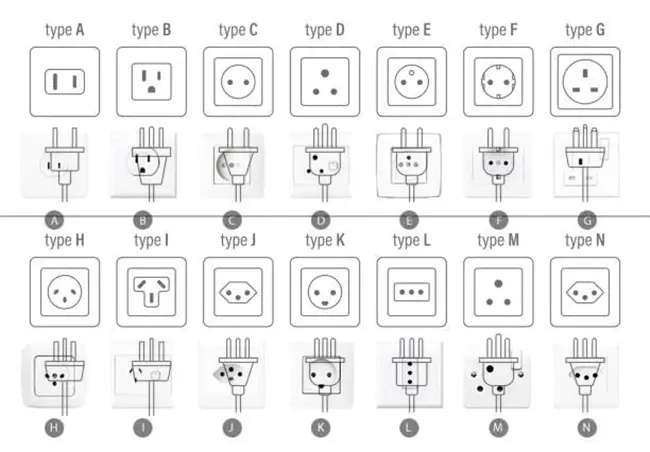
US Plug (Type A/B)
The American plug was made by a group called NEMA (the National Electrical Manufacturers Association). At first, it was the Type A plug, which had two flat metal pins and no grounding pin.
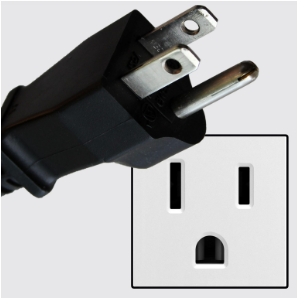
Later, the Type B plug was made. It has a round grounding pin in the middle to make it safer to use. Since 1962, all new homes in the US and Canada must use the safer grounded Type B outlets.
Type A has two flat pins. Type B has two flat pins plus one round grounding pin. They use single-phase power in most homes, while three-phase power is used for industrial machines and heavy equipment. This is part of the US power grid standards, which differ from Europe’s 230V systems.
Type A plugs can fit into Type B outlets, but they won’t be grounded. We found that Type A and Type B plugs are popular in the United States, Canada, Mexico, Japan, Taiwan, and some parts of South America and Asia.
Type A plugs don’t have a grounding pin, so they’re good for small devices such as phone chargers or lamps. Type B plugs are safer because they have a grounding pin. Also, both Type A and Type B plugs don’t have fuses inside. So when our American customers receive the machine, we usually recommend that they prepare a plug adapter to connect the machine to the power outlet.
European Plug (Type C, Type E, and Type F).
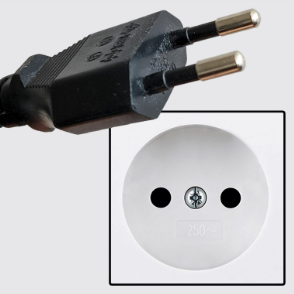
European common plug types include Type C (Europlug), a two-round-pin plug, and Type E/F (Schuko), which adds a grounding pin or clips. The Type C plug appeared in the 1950s. It fits most two-hole wall outlets. It is one of the simplest and most common plugs in the world.
The Type C plug has two round pins, each 4 millimeters wide and 19 millimeters apart. It doesn’t have a grounding pin and a fixed direction — the live wire and neutral wire can safely change places. Because it has no ground, Type C is used for low-power, double-insulated devices like phone chargers, radios, and laptops. It can fit into Type E and Type F sockets found in most of Europe. However, it won’t work in the UK or the US without an adapter.
Type E plugs have two round prongs and a hole in the center for the protruding grounding prong on the outlet.
Type F plugs have two round prongs and two grounding prongs on the top and bottom.
Most countries in Europe use the IEC power standard, which means the voltage is 230 volts and the frequency is 50 hertz. This voltage is common for both domestic outlets and light industrial machines, ensuring electrical compatibility across EU countries. It’s used all across Europe — in Germany, France, Spain, Italy, Russia, and many other places — plus parts of the Middle East, Africa, and Asia.
So most of GQ Agri’s agricultural machinery shipped to Europe can be used with the Type C connector . If customers require E-type and F-type plugs, we can also provide customized services. Some countries require a converter. Of course, we will also remind customers to consider whether the voltage is compatible and use a transformer if necessary.
British Plug (Type G).
The British Type G plug was introduced in 1947, after World War II. It replaced older plugs and became the standard for the UK and many Commonwealth countries.
The British Type G plug’s design is very safe, with a built-in fuse inside the plug. It has three rectangular pins — one long ground pin at the top and two flat pins for power below. In the UK, single-phase 230V and three-phase 400V systems are standard for industrial machine power requirements, following strict electrical safety and wiring standards.
Every Type G plug includes a small fuse (3A, 5A, or 13A) to prevent overload. It’s standard in the United Kingdom, Ireland, Hong Kong, Singapore, Malaysia, and the UAE. Type G is considered one of the safest plugs in the world. The fuse helps protect your device, and the socket has a safety shutter so kids can’t stick objects into it.
However, it’s not very compatible — you can’t plug it into any other type of outlet without an adapter. So when our British customers buy a GQ Agri machine, we can provide customized plug and motor voltage configuration services based on the customer’s location in the UK to adapt to the customer’s local production operations.
Australian Plug (Type I).
The Type I plug was first made in Australia in the 1930s and became the official national standard in 1938. Later, New Zealand and China also used similar versions. It has two flat, angled pins that form a “V” shape, and a vertical grounding pin.
Australia’s mains electricity runs at 50Hz, similar to Europe, which helps ensure motor efficiency and consistent performance for exported machines. However, travelers still need a plug adapter due to the unique socket shape.
Wall sockets in Australia often have a switch that turns the power on or off — a great safety feature! Used in Australia, New Zealand, China, and Argentina. Australian plugs are quite safe. The pins are partially insulated to prevent shocks.
However, the Chinese version has the ground pin at the top, so not every Australian plug fits perfectly in older Chinese sockets. If I travel from Australia to visit clients in Europe or the US, I always need an adapter plug. But in China, my Australian plug usually fits just fine!
South African Plug (Type M/N).
South Africa used to follow the old British plug standard (BS 546). Some big power machines use type M plugs. Recently, South Africa started using the Type N plug, which is a newer and safer international standard.
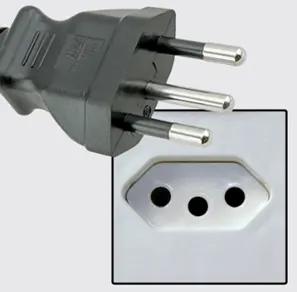
- The Type M plug has three big round pins in a triangle shape, and the Type N plug has three smaller pins with insulation.
- The Type M plug can carry 15 amps, and the Type N plug can carry 16 amps. Both use 250 volts.
In South Africa, and in some parts of Brazil and India, we could see that people are changing from Type M to Type N plugs. Now the Type M plug is old, but it is still strong and very durable. South Africa’s national voltage is 230 volts, and the frequency is 50 hertz; it follows the international plug and socket standard. Three-phase power (400V) is used in factories and large industrial sites, listed in most countries’ electricity guides.
Type N sockets can also fit Type C plugs, but not Type M plugs. When I visited South Africa, I needed a Type M/N adapter. If you buy our agricultural machinery and use it here, it’s smart to buy a universal travel adapter that covers D, M, and N — just in case! If you think too much trouble, there’s another solution. GQ agricultural machinery can be customized to your local voltage specifications during production and assembly. Simply tell us your local plug type and voltage, and getting the machine started should be a breeze.
Chinese plug.
Actually, one kind of plug we use in mainland China. The normal voltage is 220V, and the frequency is 50Hz. China has three main kinds of plugs: Type A, Type C, and Type I.
- Type A Plug:This plug has two flat, parallel pins. It doesn’t have a grounding pin, so we use it for small and low-power devices, like phone chargers or fans. We can still find it in some older buildings or simple sockets in China.
- Type C Plug: This one has two round pins. It’s also not grounded, but it’s very common and easy to use in many places. Some modern hotels and offices in China have sockets that can fit Type C plugs.
- Type I Plug: This kind of plug has three flat pins — two are in a “V” shape, and there is one grounding pin in the middle. In recent years, the “V” shape of the neutral and live wires has been gradually replaced with a parallel design.
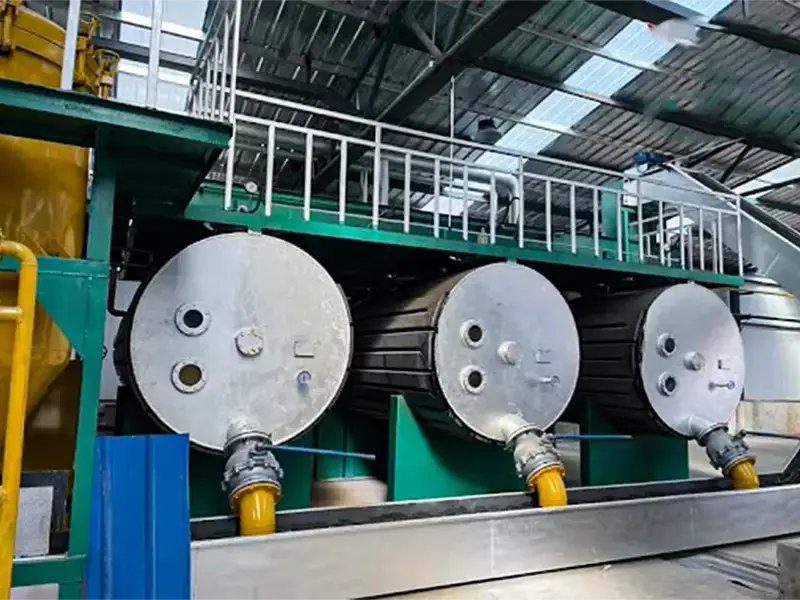
It is safer and can handle more power, so people usually use it for big machines like Oil presses, nut oil seed rotary electric roaster machine, and Hydraulic Oil Press Machine. It is now the most common and standard plug type in China.
Below I have summarized some country specific voltage and frequency chart.
| Plug Type | Illustration | Common Countries | Rated Voltage (V) | Frequency (Hz) | Pin Type & Number |
|---|---|---|---|---|---|
| Type A (Flat 2-pin, North American standard) | ![]() | USA 🇺🇸, Canada 🇨🇦, Japan 🇯🇵, Taiwan 🇹🇼, Mexico 🇲🇽 | 100–127 | 60 | 2 flat pins |
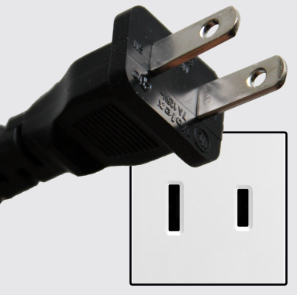
| Type B (3-pin North American) | ![]() | USA 🇺🇸, Canada 🇨🇦, Mexico 🇲🇽 | 100–127 | 60 | 2 flat pins + 1 round grounding pin |
| Type C (Europlug, 2 round pins) | ![]() | Germany 🇩🇪, France 🇫🇷, Italy 🇮🇹, Spain 🇪🇸, Russia 🇷🇺, and most of Europe | 220–250 | 50 | 2 round pins (φ4mm, 19mm apart) |
| Type G (British standard 3-pin) | ![]() | UK 🇬🇧, Ireland 🇮🇪, Hong Kong 🇭🇰, Singapore 🇸🇬, Malaysia 🇲🇾, UAE 🇦🇪 | 220–240 | 50 | 3 rectangular pins (top pin is ground) |
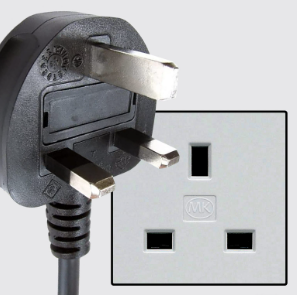
| Type I (Australian/Chinese 3-pin) | ![]() | Australia 🇦🇺, New Zealand 🇳🇿, China 🇨🇳, Argentina 🇦🇷 | 220–240 | 50 | 2 angled flat pins + 1 vertical ground pin |
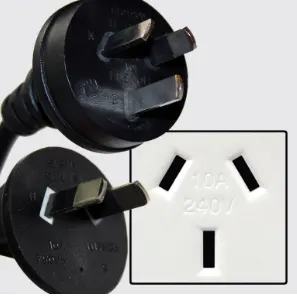
| Type M / N (South African standard) | ![]() | South Africa 🇿🇦, Brazil 🇧🇷, India 🇮🇳 (some areas) | 220–250 | 50 | 3 round pins (M: φ10mm; N: φ4.5mm with insulation sleeves) |
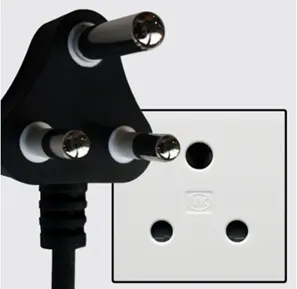
This difference is shown in most country-specific voltage and frequency tables. Understanding these global voltage standards and plug types helps prevent damage to machinery and ensure electrical compatibility during custom export. When exporting GQ machines, we confirm local voltage requirements with our customers. We also offer custom-designed equipment based on the region’s markings. Using the wrong plug or voltage will damage the equipment and even cause a fire.
As an exporter of agricultural machinery and equipment, we’ve seen too many customers lose work and profits due to these minor power supply voltage issues. Therefore, it’s crucial to be vigilant and choose the right agricultural machinery that can bring you continuous benefits.
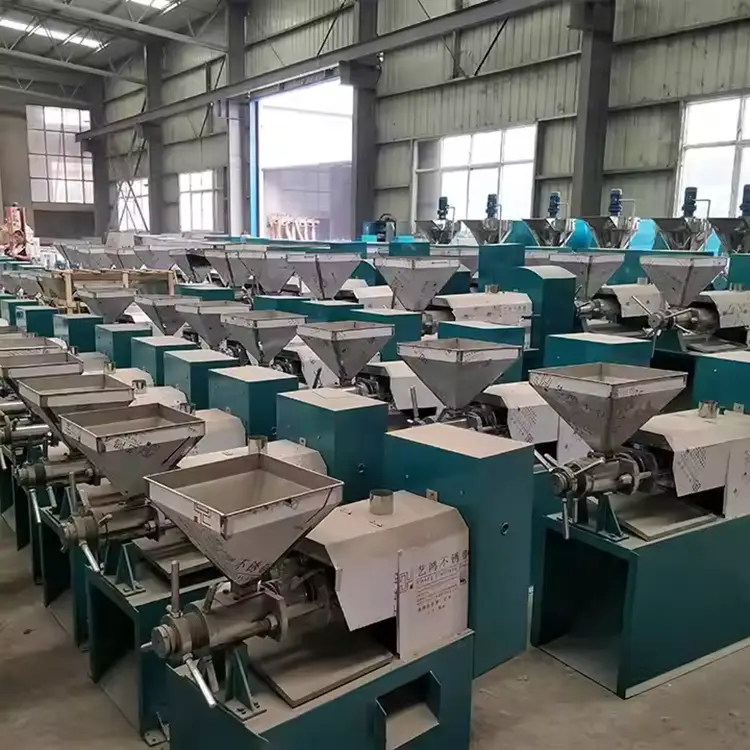
Screw Oil Presses:
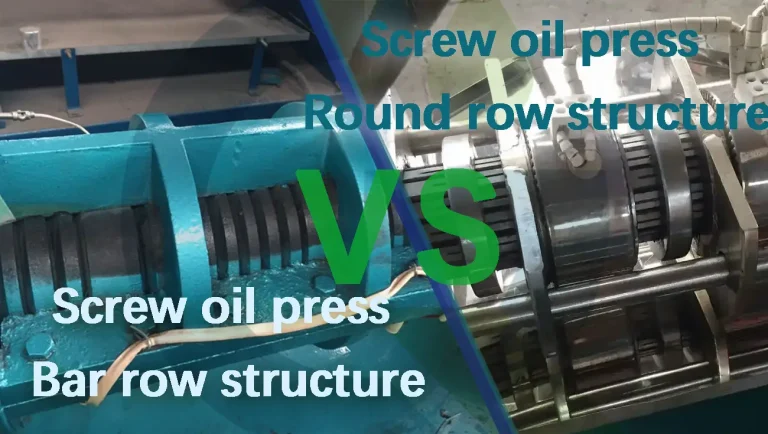
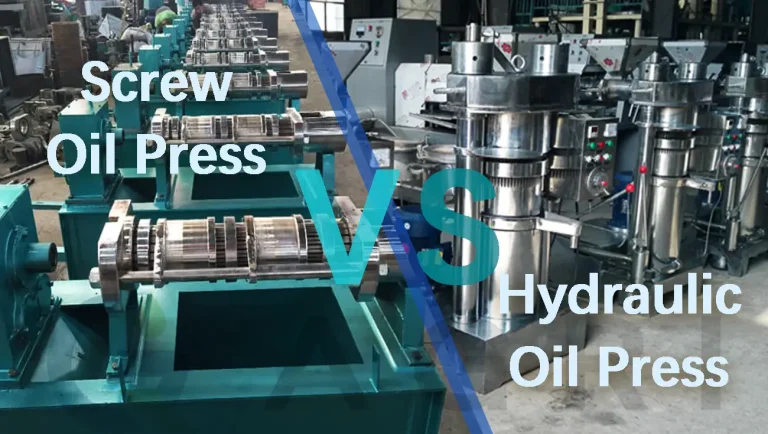
Having helped oil mills worldwide, I know how crucial it is to match equipment with your local electrical infrastructure. Our screw oil presses are the mainstream choice for small to medium-scale facilities, and here’s why: they’re engineered for continuous hot-pressing operations, handle tough oilseeds like palm kernels, rapeseed, and castor beans effortlessly, and deliver superior durability at accessible price points. Best of all, we configure each machine to your country’s voltage, frequency, and plug type, ensuring seamless installation and reliable performance from day one.
Hydraulic Oil Presses:
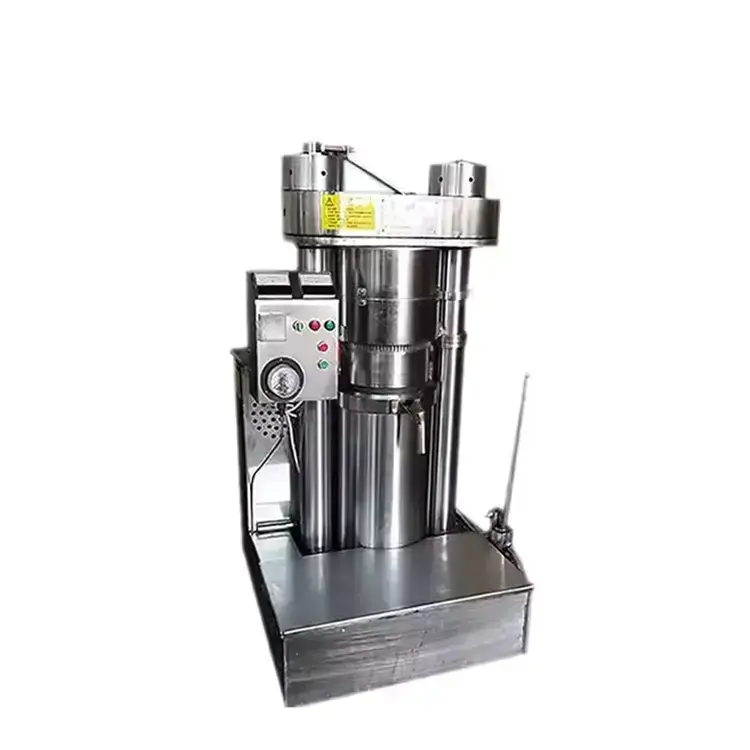
When your market demands premium-quality oils, hydraulic presses are your profit drivers. I’ve seen countless businesses thrive by focusing on cold-pressed sesame, olive, avocado, and coconut oils where quality commands premium pricing. Yes, hydraulic presses operate slower than screw types, but that gentle extraction preserves nutritional value and flavor profiles your customers will pay extra for. We customize each hydraulic system to match your local electrical specifications perfectly, so you can start producing high-value oils without power compatibility concerns.
What Are the Standard Voltages and Frequencies in Different Countries?
Every time GQ agricultural machines are ready to go to another country, I first check and confirm the local agricultural voltage and frequency. From my experience working with customers, I know that every country has its own power grid standards, so the electrical outlets, plug types, voltage, and current frequency can be very different. A US customer once ordered a Drum electromagnetic nut and oilseed roaster from us, but didn’t specify it was for use in Ghana. Because the local voltage for the Drum electromagnetic nut and oilseed roaster differed from the US standard, the machine malfunctioned. This was a big warning for us.
Since that time, before shipping any GQ agricultural machines, we always check with our customers and look at a country specific voltage and frequency chart. This helps make sure our machines are safe, efficient, and reliable. Special reminder: GQ agricultural machinery can provide customized services according to the customer’s local agricultural processing machinery voltage standards and plug types. Please be sure to contact us for confirmation.
- I check the country-specific voltage and frequency chart before shipping or using a machine.
- I figure out whether the machine uses single phase or three phase power and check its voltage requirements.
- I make sure the plug type and socket match the local electrical outlet types and voltages around the world.
- When the machine cannot adapt to the local voltage, we usually use a transformer or a voltage converter.
- Adhering to correct wiring regulations and ensuring that all equipment is properly grounded.
Through these measures, GQ Agri machines can operate safely and efficiently throughout Europe, the US, and Asia. This also helps our customers avoid financial losses and some problems, such as motor damage or machines that fail to start. Knowing worldwide voltage standards and plug types, international plug types and voltage standards, and having a global power plug adapter guide for machines is a huge help for anyone exporting or using machines internationally.GQ Agri professional team also keeps in mind the electrical frequency 50Hz vs 60Hz countries list and what voltage is used in Europe for industrial machines to make sure our customers’ electrical compatibility is correct.
Another thing I always think about is single phase vs three phase power by country. Most homes and small farms use single phase power, but heavy machines need three phase power. Three phases gives higher voltage, steadier current, and almost double the power output. This is perfect for big motors. Three-phase voltage standards vary from country to country, so I always check the motor voltage for compatibility with the customer’s country before shipment.
Therefore, every time our customers purchase GQ Agri agricultural equipment (roasters, oil presses, oil filters, etc.), we always consider the single-phase and three-phase voltages in the customer’s country and ensure we have the appropriate plug adapter or voltage converter. This is crucial for machine safety, motor efficiency and electrical reliability.
In summary, understanding international plug types and voltage standards (including the socket types used in different countries) is important to ensure your machinery operates at optimal efficiency. For GQ Agri exporting machinery, a guide to universal machine power plug adapters and careful planning of power needs are crucial. We also prioritize initial consultation with customers to confirm their local agricultural processing machinery voltage standards and plug types, and recommend suitable GQ Agri machines. Next, I have compiled a table of single-phase and three-phase voltage specifications for some common agricultural countries to help you quickly identify voltage specifications for your country and select the appropriate equipment.
| Country / Region | Single-Phase Voltage (V) | Three-Phase Voltage (V) | Frequency (Hz) |
|---|---|---|---|
| United States (US) | 120 V (residential) / 208‑240 V (some scenarios) | 277 / 480 V (industrial) | 60 Hz |
| Canada | 120 V / 240 V | 208 V / 480 V (industrial) | 60 Hz |
| Most European countries (Germany, France, Italy) | 230 V | 400 V | 50 Hz |
| United Kingdom (UK) | 230 V | 400 V | 50 Hz |
| Australia | 230 V | 400 V | 50 Hz |
| New Zealand | 230 V | 400 V | 50 Hz |
| China | 220 V | 380 V | 50 Hz |
| India | 230 V | 400 V | 50 Hz |
| Japan | 110 V | 200 V | 50 / 60 Hz (East 50Hz / West 60Hz) |
| Brazil | 127 V / 220 V | 220 V / 380 V | 60 Hz |
| Russia | 220 V | 380 V | 50 Hz |
| South Africa | 230 V | 400 V | 50 Hz |
| Mexico | 127 V | 220 V / 480 V | 60 Hz |
| Argentina | 220 V | 380 V | 50 Hz |
| Mongolia | 220 V | 380 V | 50Hz |
| Korea, South | 220 V | 380 V | 60 Hz |
| Afghanistan | 220V | 380 V | 50 Hz |
| Albania | 220V | 380 V | 50Hz |
| Algeria | 230V | 400 V | 50Hz |
| American Samoa | 120V | 208 V | 60 Hz |
| Andorra | 230V | 400 V | 50 Hz |
| Angola | 220V | 380 V | 50 Hz |
| Anguilla | 110V | 200 V | 60 Hz |
| Antigua | 230V | 400 V | 60 Hz |
| Argentina | 220V | 380 V | 50 Hz |
| Armenia | 220V | 380 V | 50 Hz |
| Aruba | 127V | 220 V | 60 Hz |
| Australia | 240V | 480 V | 50Hz |
| Austria | 230V | 400 V | 50 Hz |
| Azerbaijan | 220V | 380 V | 50 Hz |
| Azores | 220V | 380 V | 50Hz |
| Bahamas | 120V | 208 V | 60 Hz |
| Bahrain | 230V | 400 V | 50Hz |
| Balearic Islands | 220 V | 380 V | 50 Hz |
| Bangladesh | 220 V | 380 V | 50Hz |
| Barbados | 115V | 200V | 50Hz |
| Belarus | 220V | 380 V | 50 Hz |
| Belgium | 230V | 400 V | 50Hz |
| Belize | 110/220V | 200 V/380 V | 60 Hz |
| Benin | 220 V | 380 V | 50Hz |
| Bermuda | 120V | 208 V | 60 Hz |
| Bhutan | 230V | 400 V | 50 Hz |
| Bolivia | 220/230V | 380 V/400 V | 50Hz |
| Bosnia Herzegovina | 220 V | 380 V | 50Hz |
| Botswana | 231V | 400 V | 50 Hz |
| Brunei | 240V | 480V | 60 Hz |
| Bulgaria | 230V | 400 V | 50 Hz |
| Burkina Faso | 220V | 380 V | 50 Hz |
| Burma (Myanmar) | 230V | 400 V | 50 Hz |
| Burundi | 220V | 380 V | 50 Hz |
| Cambodia | 230V | 400 V | 50 Hz |
| Cameroon | 220V | 380 V | 50Hz |
| Canada | 120V | 208 V | 60 Hz |
| Canary Islands | 220V | 380 V | 50 Hz |
| Cape Verde | 220V | 380 V | 50 Hz |
| Cayman Islands | 220 V | 380 V | 60 Hz |
| Central African Republic | 220 V | 380 V | 50 Hz |
| Chad | 220 V | 380 V | 50 Hz |
| Channel Islands | 230V | 400 V | 50Hz |
| Chile | 220 V | 380 V | 50Hz |
| Cook Islands | 240V | 480 V | 50 Hz |
| Costa Rica | 120 V | 208 V | 60 Hz |
| Côte d’Ivoire | 220 V | 380 V | 50 Hz |
| Croatia | 230V | 400 V | 50 Hz |
| Cuba | 110/220V | 200 V/380 V | 60 Hz |
| Сургus | 240V | 480 V | 50Hz |
| Czech Republic | 230V | 400 V | 50 Hz |
| Denmark | 230V | 400 V | 50 Hz |
| Djibouti | 220 V | 380 V | 50 Hz |
| Dominica | 230V | 400 V | 50 Hz |
| Dominican Republic | 110V | 200V | 60 Hz |
| East Timor | 220 V | 380 V | 50 Hz |
| Ecuador | 120-127 V | 208 V -220V | 60 Hz |
| Egypt | 220V | 380 V | 50 Hz |
| El Salvador | 115V | 200V | 60 Hz |
| England (UK) | 230V | 400 V | 50 Hz |
| Equatorial Guinea | 220V | 380 V | 50 Hz |
| Eritrea | 230V | 400 V | 50 Hz |
| Estonia | 230V | 400 V | 50 Hz |
| Ethiopia | 220V | 380 V | 50 Hz |
| Faeroe Islands | 220 V | 380 V | 50 Hz |
| Falkland Islands | 240 V | 480 V | 50 Hz |
| Fiji | 240V | 480 V | 50 Hz |
| Finland | 230V | 400 V | 50 Hz |
| France | 230V | 400 V | 50 Hz |
| French Guiana | 220 V | 380 V | 50 Hz |
| Gaza | 230V | 400 V | 50 Hz |
| Gabon | 220 V | 380 V | 50Hz |
| Gambia | 230V | 400 V | 50 Hz |
| Georgia | 220 V | 380 V | 50 Hz |
| Germany | 230V | 400 V | 50 Hz |
| Ghana | 230V | 400 V | 50 Hz |
| Gibraltar | 240 V | 480 V | 50 Hz |
| Great Britain (UK) | 230V | 400 V | 50 Hz |
| Greece | 220 V | 380 V | 50Hz |
| Greenland | 220 V | 380 V | 50Hz |
| Grenada(Windward Is.) | 230V | 400 V | 50 Hz |
| Guadeloupe | 230V | 400 V | 50Hz |
| Guam | 110 V | 200V | 60 Hz |
| Guatemala | 120V | 208 V | 60 Hz |
| Guinea | 220 V | 380 V | 50Hz |
| Guinea-Bissau | 220V | 380 V | 50Hz |
| Guyana | 240V | 480 V | 60 Hz |
| Haiti | 110V | 200V | 60 Hz |
| Holland(Netherlands) | 230V | 400 V | 50Hz |
| Honduras | 110V | 200V | 60 Hz |
| Hong Kong (China) | 220 V | 380 V | 50 Hz |
| Hungary | 230V | 400 V | 50 Hz |
| Iceland | 220 V | 380 V | 50 Hz |
| India | 230V | 400 V | 50 Hz |
| Indonesia | 127/230V | 220V-400 V | 50 Hz |
| Iran | 230V | 400 V | 50 Hz |
| Iraq | 230V | 400 V | 50 Hz |
| Ireland (Eire) | 230V | 400 V | 50 Hz |
| Isle of Man | 240 V | 480 V | 50 Hz |
| Israel | 220V | 380 V | 50 Hz |
| Italy | 230V | 400 V | 50 Hz |
| Ivory Coast | 220V | 380 V | 50 Hz |
| Jamaica | 110V | 200V | 50 Hz |
| Jordan | 230V | 400 V | 50 Hz |
| Kazakhstan | 220 V | 380 V | 50 Hz |
| Kenya | 240V | 480 V | 50Hz |
| Kiribati | 240V | 480 V | 50 Hz |
| Kuwait | 240V | 480 V | 50 Hz |
| Laos | 230V | 400 V | 50 Hz |
| Latvia | 220 V | 380 V | 50 Hz |
| Lebanon | 110/220V | 200 V/380 V | 50 Hz |
| Lesotho | 220V | 380 V | 50Hz |
| Liberia | 120V | 208 V | 60 Hz |
| Libya | 127V | 220V | 50 Hz |
| Lithuania | 220 V | 380 V | 50 Hz |
| Liechtenstein | 230V | 400 V | 50Hz |
| Luxembourg | 220V | 380 V | 50Hz |
| Macau | 220V | 380 V | 50Hz |
| Macedonia | 220 V | 380 V | 50Hz |
| Madagascar | 220 V | 380 V | 50 Hz |
| Madeira | 220V | 380 V | 50Hz |
| Malawi | 230V | 400 V | 50 Hz |
| Malaysia | 240V | 480 V | 50Hz |
| Maldives | 230V | 400 V | 50Hz |
| Mali | 220V | 380 V | 50 Hz |
| Malta | 240V | 480 V | 50Hz |
| Martinique | 220V | 380 V | 50 Hz |
| Mauritania | 220V | 380 V | 50 Hz |
| Mauritius | 230V | 400 V | 50Hz |
| Mexico | 127 V | 220V | 60 Hz |
| Micronesia(Federal States of) | 120V | 208 V | 60 Hz |
| Monaco | 127/220V | 220V-380V | 50Hz |
| Montenegro | 220V | 380 V | 50Hz |
| Montserrat(Leeward Is.) | 230V | 400 V | 60 Hz |
| Morocco | 127/220V | 220V-380V | 50Hz |
| Mozambique | 220 V | 380 V | 50 Hz |
| Myanmar (formerly Burma) | 230V | 400 V | 50Hz |
| Namibia | 220 V | 380 V | 50 Hz |
| Nauru | 240 V | 480 V | 50Hz |
| Nepal | 230V | 400 V | 50 Hz |
| Netherlands(Holland) | 230V | 400 V | 50 Hz |
| Netherlands Antilles | 127/220V | 220V-380V | 50 Hz |
| New Caledonia | 220V | 380 V | 50 Hz |
| New Zealand | 230V | 400 V | 50 Hz |
| Nicaragua | 120V | 208 V | 60 Hz |
| Niger | 220 V | 380 V | 50 Hz |
| Nigeria | 240V | 480 V | 50Hz |
| Northern Ireland | 230V | 400 V | 50 Hz |
| Norway | 230V | 400 V | 50 Hz |
| Okinawa | 100 V | 173V | 60 Hz |
| Oman | 240 V | 480 V | 50 Hz |
| Pakistan | 220V | 380 V | 50 Hz |
| Palmyra Atoll | 120V | 208 V | 60 Hz |
| Panama | 110V | 200V | 60 Hz |
| Papua New Guinea | 240 V | 480 V | 50 Hz |
| Paraguay | 220V | 380 V | 50 Hz |
| Peru | 220V | 380 V | 60 Hz |
| Philippines | 220V | 380 V | 60 Hz |
| Poland | 230V | 400 V | 50 Hz |
| Portugal | 230V | 400 V | 50 Hz |
| Puerto Rico | 120V | 208 V | 60 Hz |
| Qatar | 240V | 480 V | 50 Hz |
| Réunion Island | 220 V | 380 V | 50 Hz |
| Romania | 230V | 400 V | 50 Hz |
| Russia | 220V | 380 V | 50 Hz |
| Rwanda | 230V | 400 V | 50 Hz |
| Samoa | 230V | 400 V | 50Hz |
| Saudi Arabia | 127/220V | 220V-380V | 60 Hz |
| Scotland | 230V | 400 V | 50Hz |
| Senegal | 230V | 400 V | 50Hz |
| Serbia | 220 V | 380 V | 50 Hz |
| Seychelles | 240V | 480 V | 50Hz |
| Sierra Leone | 230V | 400 V | 50 Hz |
| Singapore | 230V | 400 V | 50 Hz |
| Slovak Republic | 230V | 400 V | 50Hz |
| Slovenia | 220V | 380 V | 50 Hz |
| Somalia | 220 V | 380 V | 50 Hz |
| South Africa | 220/230V | 380 V-400V | 50Hz |
| Spain | 230V | 400 V | 50Hz |
| Sri Lanka | 230V | 400 V | 50 Hz |
| Sudan | 230V | 400 V | 50 Hz |
| Suriname | 127V | 220V | 60 Hz |
| Swaziland | 230V | 400 V | 50 Hz |
| Sweden | 230V | 400 V | 50 Hz |
| Switzerland | 230V | 400 V | 50 Hz |
| Syria | 220 V | 380 V | 50 Hz |
| Tahiti | 110/220V | 200 V/380 V | 60 Hz |
| Tajikistan | 220 V | 380 V | 50 Hz |
| Taiwan | 110V | 200V | 60 Hz |
| Tanzania | 230V | 400 V | 50 Hz |
| Thailand | 220 V | 380 V | 50 Hz |
| Tibet (China) | 220V | 380 V | 50 Hz |
| Togo | 220V | 380 V | 50 Hz |
| Tonga | 240V | 480 V | 50 Hz |
| Trinidad &Tobago | 115V | 200V | 60 Hz |
| Tunisia | 230V | 400 V | 50 Hz |
| Turkey | 230V | 400 V | 50 Hz |
| Turkmenistan | 220 V | 380 V | 50 Hz |
| Uganda | 240V | 480 V | 50 Hz |
| Ukraine | 220 V | 380 V | 50 Hz |
| United Arab Emirates | 220 V | 380 V | 50 Hz |
| UK(United Kingdom) | 230V | 400 V | 50 Hz |
| Uruguay | 220 V | 380 V | 50 Hz |
| Uzbekistan | 220 V | 380 V | 50 Hz |
| Vanuatu | 230V | 400 V | 50 Hz |
| Venezuela | 120V | 208 V | 60 Hz |
| Vietnam | 127/220V | 220V-380V | 50 Hz |
| Virgin Islands | 115V | 200V | 60 Hz |
Advanced Filtration Machines:
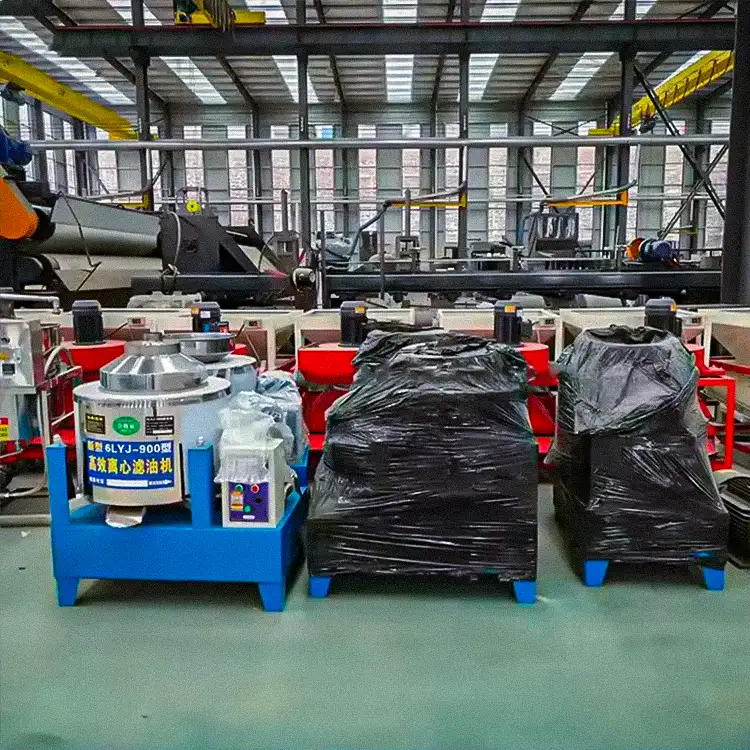
Here’s what separates profitable oil mills from struggling ones: consistent filtration quality. Your customers expect pure, clear oil every time, and our comprehensive filtration lineup delivers exactly that. Choose centrifugal oil filter for rapid sediment removal, vacuum filters for moisture elimination, pneumatic systems for gentle processing, or plate-and-frame oil presses for fine particle separation. Each system is power-configured for your region’s electrical standards, ensuring optimal performance. Professional filtration isn’t just about clarity—it’s about commanding premium prices and building customer loyalty.
Complete Refining Equipment:
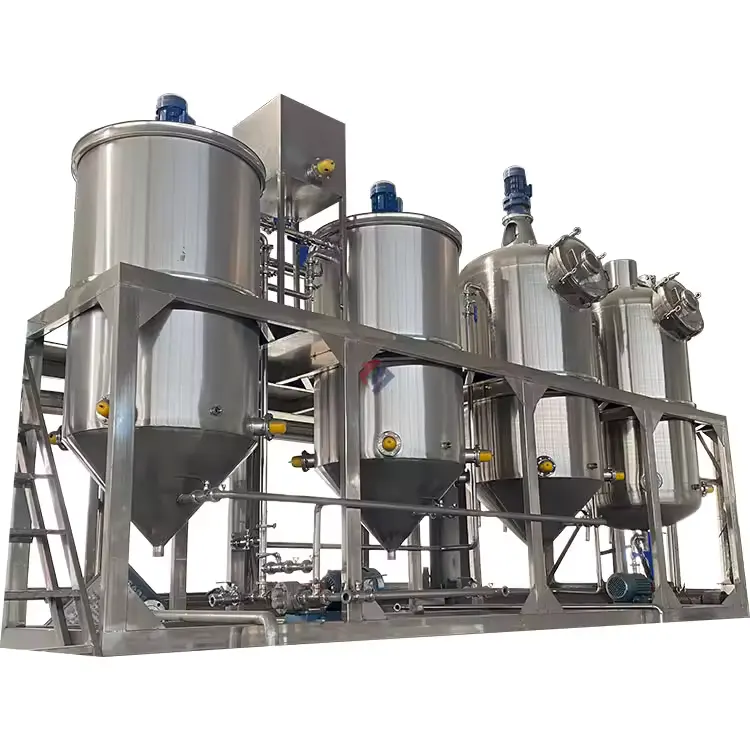
Taking your oil from pressed to premium requires proper refining, and that’s where most small producers miss major profit opportunities. Our refining systems remove unwanted colors, odors, and impurities, transforming good oil into exceptional products that compete with major brands. Whether you need degumming, neutralization, bleaching, or deodorization capabilities, we’ll match the equipment to both your production goals and local power infrastructure. I’ve watched businesses double their margins simply by adding refining capacity—the investment pays itself back quickly when you can access premium market segments.
Industrial Animal Fat Processing Systems:
If you’re processing animal fats for edible oils, industrial applications, or biodiesel production, you need robust systems designed for high-volume rendering operations. Our complete animal fat processing lines handle everything from raw material reception through final oil purification, all configured for your country’s three-phase power requirements. These integrated systems maximize fat recovery while meeting strict safety and hygiene standards. Whether you’re working with poultry, beef, pork, or fish byproducts, we’ll design a solution that fits your electrical infrastructure and production capacity perfectly.
At SmallAgriMachinery, we customize our agricultural machines to meet local voltage and plug standards in every destination country. By understanding global power plug types and voltage standards, we ensure your equipment performs safely and efficiently — anywhere in the world. From North America to South Africa, we’ve seen our machines in action across the globe, and we’ve witnessed our customers’ continued success in the agricultural sector. To get your machine up and running properly, our GQ Agri team of professionals is always online and by your side. Feel free to contact us for more insights.
Have questions about starting a cold pressed oil business?
Our team will help you choose the right oil press model and start making a profit.
If the voltages don't match, will the machine still operate?
No. Incorrect voltage can damage machinery. Low voltage can cause overheating and excessive current draw, while high voltage can cause equipment failure. So be sure to select the matching voltage to ensure the machine runs.
Can a transformer be used to resolve voltage issues?
Of course, using a transformer can solve voltage issues. Transformers use electromagnetic induction to step up or down the voltage of AC power to meet the voltage requirements of agricultural machinery or different regions.
What power parameters need to be provided when ordering?
We usually confirm key power parameters when customers place orders, including local voltage, frequency, and plug type. If necessary, we will also specify details such as input voltage, output voltage, output current, power, and output polarity to ensure proper machine operation.
Do you offer different plug and motor options?
Yes! We offer customized machine services. Our GQ Agri brand machines are also pre-installed according to the customer’s country’s voltage standards. Please contact us to submit your requirements.
Can a three-phase motor be converted to single-phase?
Yes. A three-phase motor can be operated in single phase by adding a starting capacitor, but the power output is not as high as a three-phase motor. Alternatively, a single-phase inverter can be used to convert single-phase power to three-phase power, preserving the motor’s original power output.