
Hubungi Kami Sekarang


In the final section, we examined the large price variation of oil presses, between simple single machines and complete lines of production. However, figures do not give the answer as to why two models with a similar output may have very different price tags. In order to make any sense of the market we must have a way of revealing the actual forces that either push the prices upward or hold them down.
Not many years ago, I interviewed a northern Nigerian farmer who was confused as to why there was a difference between two presses that purported to have the same capacity. One was twice as expensive as the other but both of them said they were dealing in peanuts and soybeans. This confusion is common. The fact is that the price of oil press depends on a complex of design, quality of the construction, the level of automation and support of the brand. After knowing these drivers, it is much easier to make a choice.
Type of Oil Press.
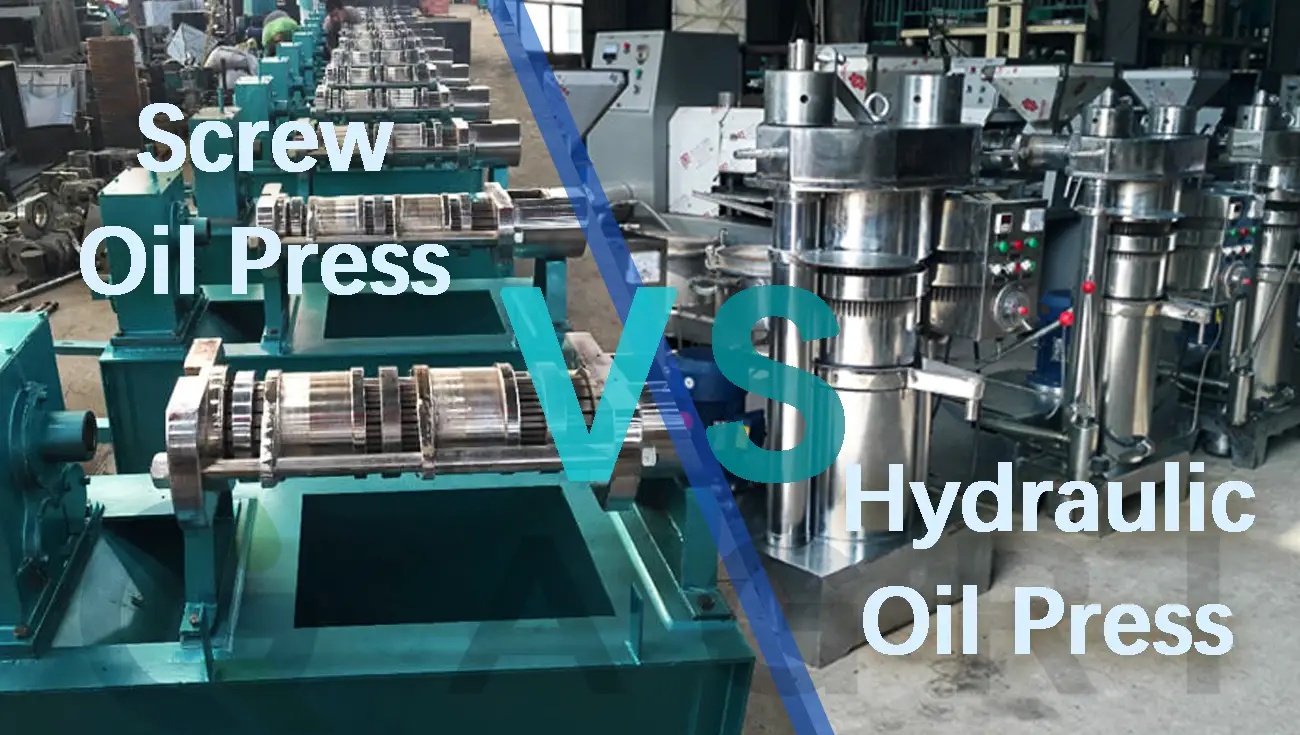
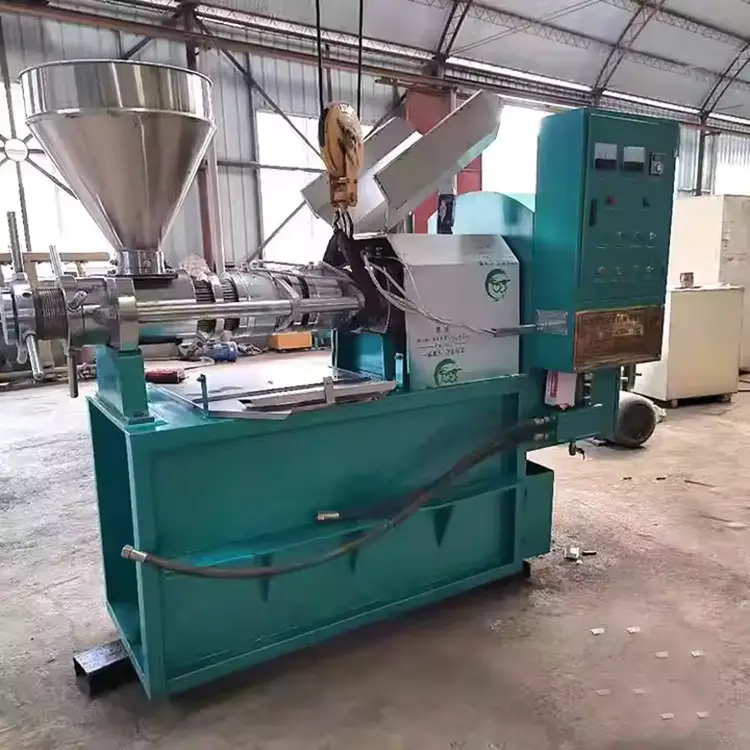
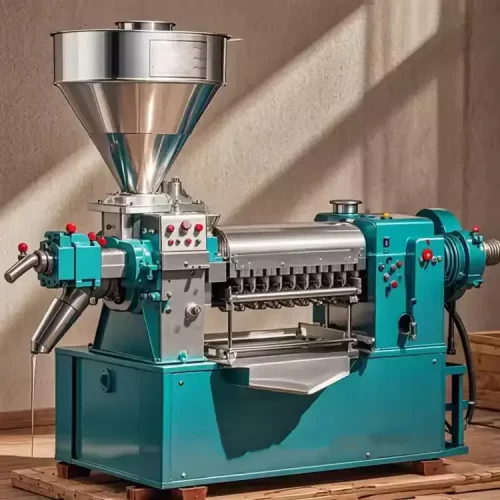
The kind of oil press is also one of the key factors that affect price. Screw oil presses can be found in the small and medium sized oil mill since they work well with hot pressing, continuous work, and harder crops such as palm kernel, rapeseed or castor seed. They are more efficient and durable, and are generally the mainstream option when the initial price is lower.
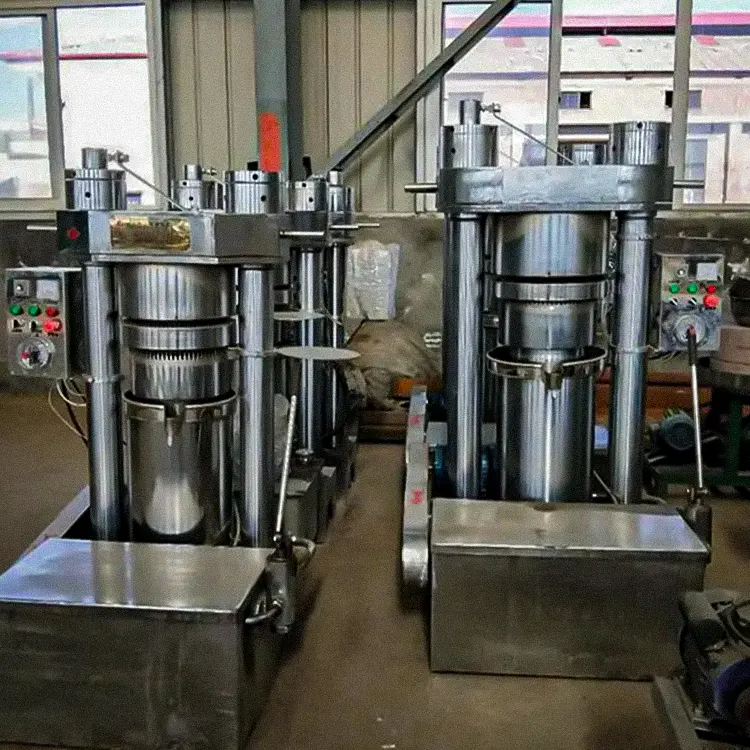
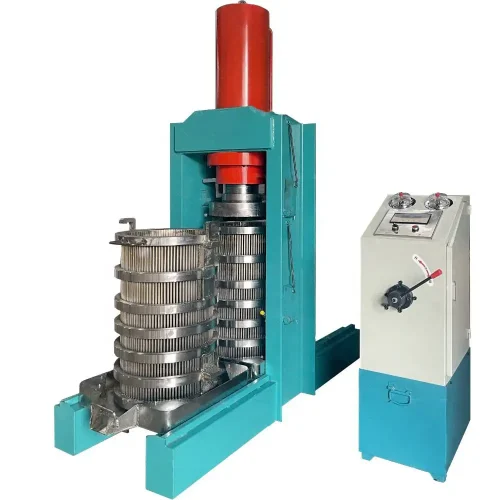
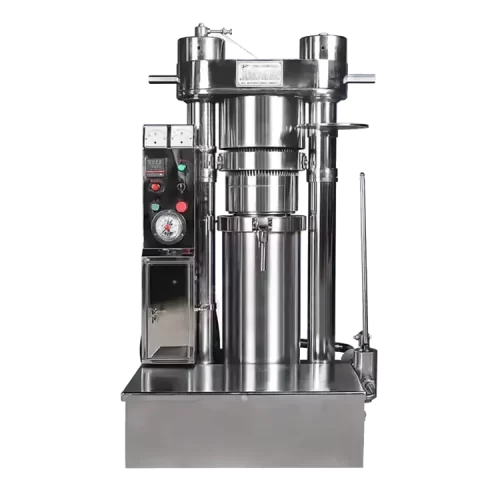
Hydraulic oil presses on the other hand are more prevalent when cold pressing and high quality edible oils. They commonly are chosen as crops, including sesame, olive, avocado or coconut, where the quality of oil and nutritional retention are of greater significance than the speed at which it is pressed. They are slower, but provide the market with better oil of a better quality and price. There are even models that employ the use of a bar row chamber to enhance the pressure and yield.
Machine Structural Complexity.
The number of pressing stages within the Screw Oil Press machine is called grades. AA two-stage press is simple to operate, inexpensive, and can be used to process peanuts. A three-stage press can be used to process crops such as sunflower seeds to balance price and efficiency. The four-stage press can process highly resistant oilseeds such as sesame. They have longer chambers, more elaborate structure and are, of course, more expensive. This is one of the most crucial cost factors of oil press machines with structural sophistication.
Another structural factor is whether the press uses a bar-row or round-row design. Bar-row presses have smaller gaps between the pressing sections, resulting in less internal pressure loss and a slightly higher degree of crude oil refinement. They also allow for easy reversal in the event of daily blockages. Round-row presses, on the other hand, offer a simpler structure, are more stable when pressing difficult, hard-shelled seeds, and are easily reassembled for long-term maintenance.
Materials and Build Quality.
Durability and cost depend on the raw materials used in construction. Cast iron or mild steel made machines are the least expensive yet wear and rust easily. High-purity carbon steel enhances strength. Stainless steel or alloy steels of higher grade, however, are resistant to corrosion and increase life span, although they increase production expenses and, consequently, the ultimate market price. GQ-Agri’s engineering team, through continuous testing, has developed an oil press combining stainless steel and high-purity carbon steel to ensure durability, resisting weather corrosion while maintaining food safety.
Capacity and Model Size.
The simple cost driver is production capacity. A low power machine of 500KG-1 tons a day is cheap enough to be used on village cooperatives or family workshops. Mid-sized that have capacity of 5-10 tons per day, and have heavier frames and more powerful motors of course lie in a higher price bracket. In the case of mill owners intending to expand in the future, investing in a mid-range model is often rational, despite the fact that the size of raw material supply is less at the beginning. Sometimes we will recommend choosing multiple small oil presses according to the customer’s situation to achieve production flexibility and budget planning.
Automation and Added Functions.
There are frequently modern presses with digital control panels, automatic heating or built-in oil filters. These functions minimize the human effort, stabilize the quality of oil and simplify the task of the workers who do not have much technical training. However, each additional feature costs more. To the owners of most oil mills, investing more initially in automation is cost-effective in the long term in terms of saving on labor and maintenance.
Brand Reputation and After-Sales Service.
Lastly, it is a matter of who the machine is named. Domestically manufactured presses that have very little branding can appear appealing in terms of pricing, yet they might have inaccessible spare parts and after sales services. Companies that are export-oriented such as GQ Agri differentiate themselves a notch higher: a little more investment at the beginning but supported by spares, remote control, and durability. In the case of the operators in Southeast Asia, Africa, and South America, such a peace of mind usually prevails over the purchase price difference.
I have heard each side of the argument: a workshop in Tanzania purchased the cheapest press possible, and was reduced to weeks of no operation waiting to order new parts, whereas a cooperative in Kenya spent more on a brand with good reputation and maintained production even during harvest time. These examples demonstrate that price is an expression of design, material, capacity and service and not merely numbers on a list. These factors are based on understanding. The next question is how to make them work with your own budget and production targets- we will look at how to get an oil press at a reasonable price, without falling into the traps of common purchases.
Selecting an oil press is hardly ever easy. Having studied the things that influence the price of the oil press machine, a good number of Oil Mill Entrepreneur & Oil Mill Owner with whom I have had the pleasure to interact with are at a loss on how to strike a balance between cost, efficiency and reliability. This move or break in small and medium-sized oil mills in Southeast Asia, Africa and South America. This is how you can go about it in a considered manner, a bewildering array of models becomes a simple practical selection that gets you the production you need, at the budget you want.
In most small oil mills, it is common to find that Oil Mill Owner are torn between choosing a machine that is not so expensive and yet reliable. You may have browsed through pages of products or viewed demonstration videos on the Internet, but you are still confused. The secret is not pursuing the cheapest price, but rather its attention should be on the actual needs of your operation; your daily capacity, types of raw materials, energy availability, and support in the long run. When the above are carefully considered, the process of identifying the most suitable oil press machine cost in small scale oil mills becomes a lot easier and less hectic.
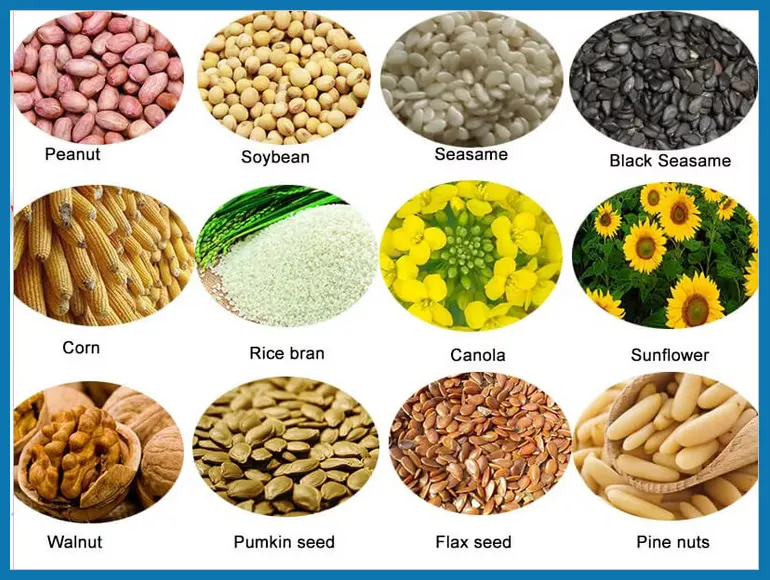
- Determine Daily Processing Capacity and Raw Material Type:
You should know clearly the amount of oil that you will produce in a day and the kind of seeds or nuts you will be processing. Various oilseeds, such as peanuts, soybeans, and sesame, kernels of palm oil need somewhat dissimilar settings. For crop raw materials with harder texture, choosing a screw oil press can efficiently extract oil. For high-end cold-pressed oils such as avocados and avocados, choose a hydraulic oil press to ensure that the nutrients are not destroyed by high temperatures. Identifying the appropriate capacity will help to avoid paying more than is necessary due to having an overweight machine or an underpowered piece of equipment. The 6YL-70 or 6YL-80, which are small Screw Oil Press machines, would be suitable in operations with 50-150 kg/h volumes of operation that are cost-efficient and efficient at the same time. - Assess Local Energy Conditions:
Determine the availability of electricity in your location or whether a diesel powered generator would be more dependable. Certain machines have dual power options, which is flexible to local power facility and does not compromise with output. - Conduct Research and Calculate ROI:
Not only the price that is listed, but all the costs of the operation include labor, fuel, maintenance and consumables. Calculate the ROI on a daily production and market figure. Using the following as an example, project oil output, revenues, and payback period may be projected by using a tiny peanut oil mill as an example, which handles 2 tons of raw material per day. The application of realistic calculations makes you know the time you will recover your investment. - Consider Equipment Packages:
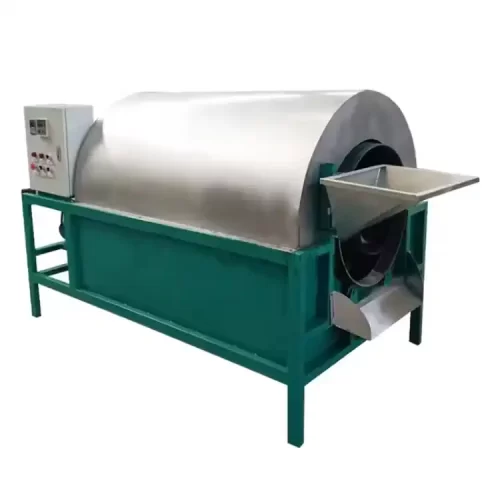
Combining a roaster, oil press, and oil filter based on your needs can offer greater long-term value than purchasing each machine separately. Packages enhance workflow, ensure compatibility, and at times feature discounts. An example of this is combination of a 6YL-100 oil press and a vacuum oil filter, which increases efficiency and the quality of oil at a low cost. - Prioritize Reliable Manufacturers with Export Experience:
Competitive factory-direct prices, remote support, and timely spare parts are also provided by manufacturers such as GQ Agri, and this minimizes the operational risks. Our years of experience exporting to small and medium-sized oil mills around the world allow us to provide guidance that saves customers time and helps them avoid costly mistakes.
When it comes to locating the appropriate oil press machine, it is not just a matter of looking at the price tags, but rather matching your machine to daily production, energy supply, return on investment, equipment configurations and dependable services. Based on my visits to small mills in Africa and Southeast Asia, the operators that devote time to do some research and match machines with their actual needs always have an easier time production and faster returns.
 Malay
Malay  English
  Indonesian
  Swahili
  Vietnamese
  Arabic