
Wasiliana Nasi Sasa


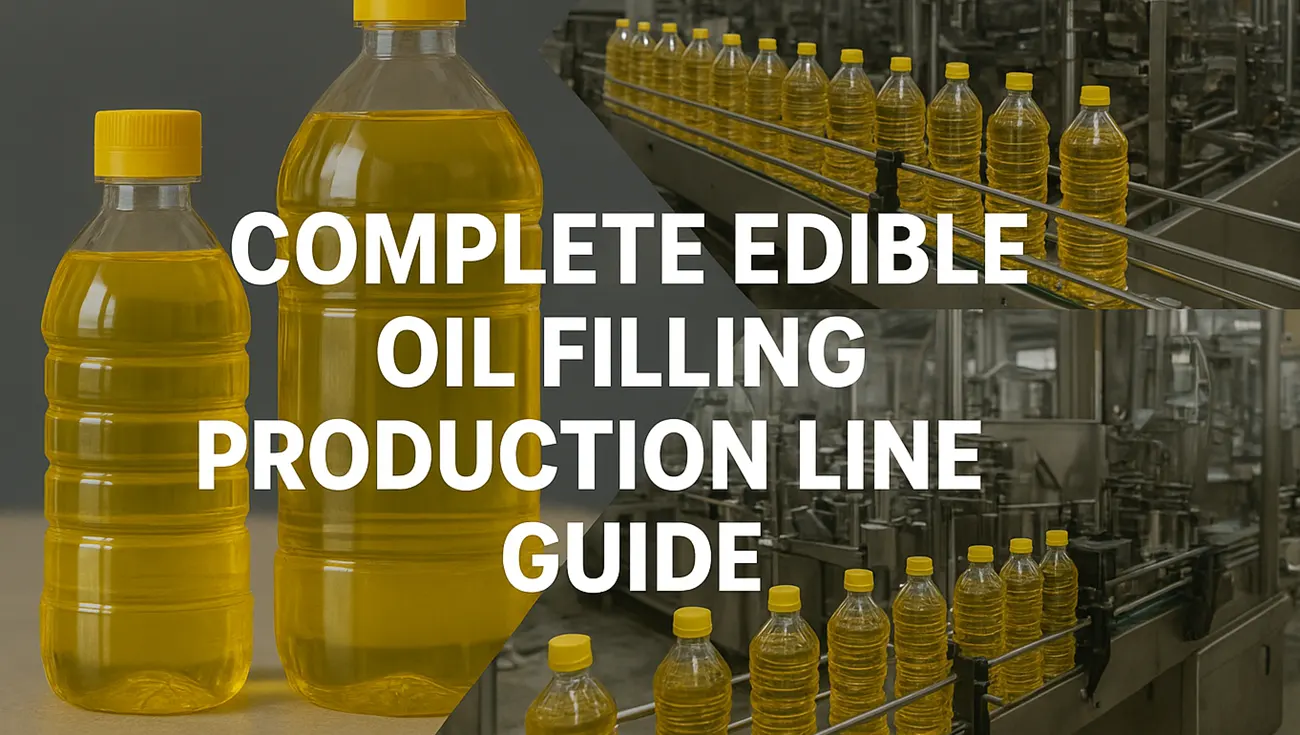
Last month, one of my Malaysian customers, Judy, who was buying a rapeseed mashine ya kuchapa mafuta asked me a new question: “What machines do I need for a full edible oil filling machine line, and what do they all do?” After solving the problems of edible oil pressing and filtration, the next step—how to fill and pack the oil—came right on time. During our chat, I suggested he use a Vacuum Filling Machine. This type of filling machine removes the air during filling and uses vacuum pressure to pull the oil into the bottle. For those who want their oil to stay fresh longer and have professional packaging, a complete bottling line is the perfect choice. This not only increases filling speed and saves labor costs, but also improves edible oil hygiene and packaging consistency, just like Judy’s rapeseed oil business.
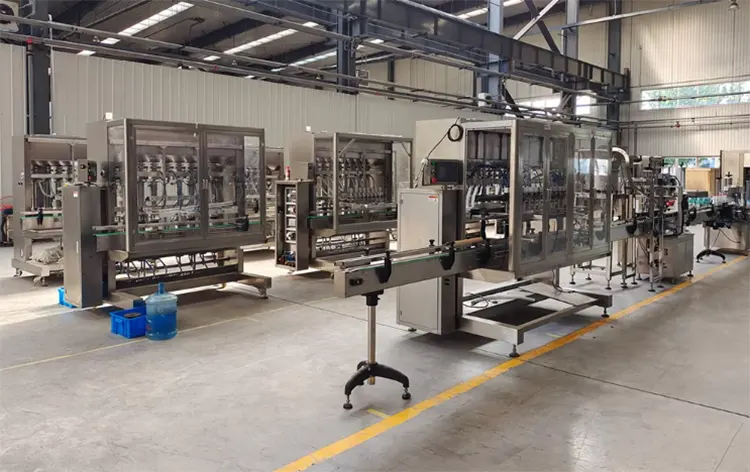
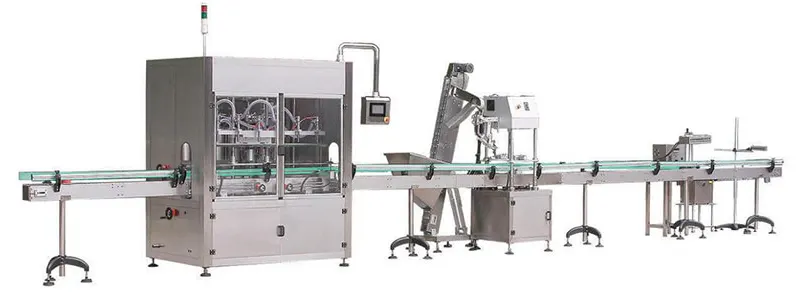
Now, let’s talk about what a complete edible oil filling production line really includes. Normally, it has a bottle blowing machine, a bottle unscrambler, a bottle washer, a filling machine, a capping machine, and a labeling machine. These are the main steps that take the oil from the tank to the bottle.
But that’s not all — a modern oil filling machine line also includes a coding machine for printing dates and batch numbers, a cartoning machine for secondary packaging, inspection equipment to check quality, a conveyor system to move bottles between machines, and finally a palletizer that stacks finished boxes neatly for delivery. Together, these machines make the process fast, clean, and safe — helping you build a smart and professional edible oil business.
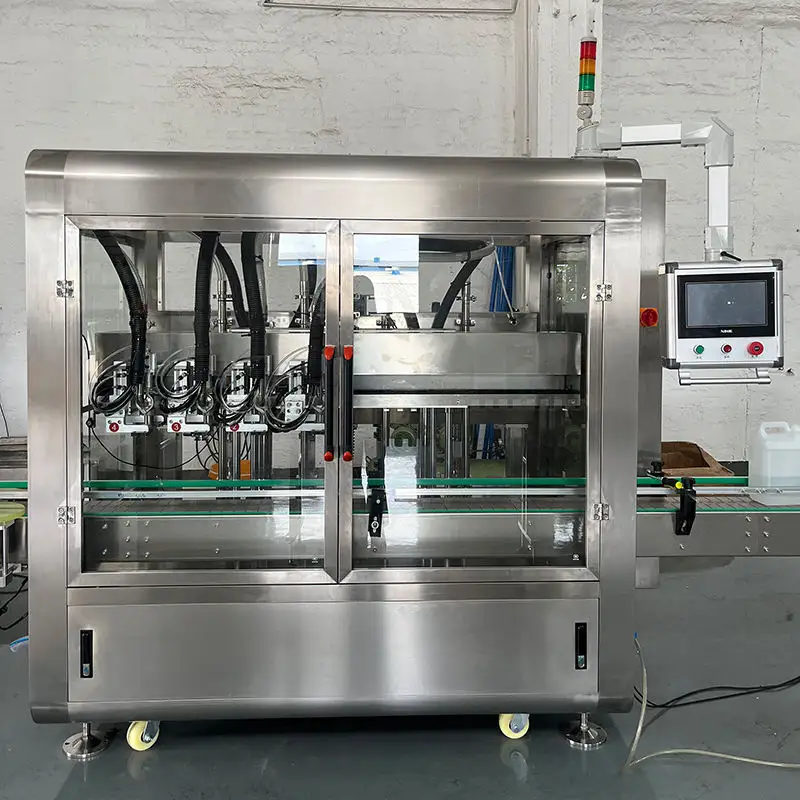
How should I configure an edible oil filling line for my factory? With so many edible oil canning machines available on the market, I often see online comments from people struggling with their choices. Once, I had a customer who bought our spiral oil press machine not long ago. He talked to me about growing his factory business recently. He’s currently a small to medium-sized factory, but as his business grows, he urgently needs a canning line: “How can I choose?”.
Before considering configuring an edible oil filling line, you must first consider and evaluate your business needs. Such as: production volume, oil viscosity, and container type. I have a customer ever rushed in before figuring this out; in the end, the production line has a lot of problems. Next, follow me. We need to choose the right level of automation (semi-automatic or fully automatic) and filling technology (e.g., volumetric, gravimetric, or vacuum). This way, you can tailor your selection to your plant’s production capacity and the required oil filling accuracy.
Now, let’s dig deeper into the key factors and see which machines fit each situation best. If you hurry to choose, our GQ-Agri team provides reliable filling machines and custom filling lines for producers of all sizes. Contact the GQ-Agri team, and perhaps we can provide you with some valuable expert analysis during your purchasing process.
- Production Scale and Output Needs.
First, you need to think about your production size. The filling head of the filling machine, the driving efficiency of the filling pump body, the speed of the conveyor belt, and other components determine the production efficiency of the filling line. I usually ask my clients, Judy, “How much oil do you want to fill per hour or per day?”
For example, a small local brand that fills about 2,000 bottles a day usually needs something simple and flexible. A semi-automatic piston filling machine works great — it’s affordable and easy to manage. But a big factory that runs all day and supplies supermarkets needs a fully automatic system to keep up with high output. In that case, a fully automatic rotary filling line with conveyors for filling, capping, and labeling is the best choice.
Actually, small producers care more about the flexibility, in the meantime large factories focus on automation and consistency. Before choosing your machine, make sure you really understand your production size and goals — that’s the first and most important step.
- Oil Type and Filling Technology.
Edible oils of different viscosities have different oil flow characteristics, which mainly affect the accuracy of the filling machine. Light oils like sunflower or corn oil flow easily, while thick oils like olive or sesame oil move slowly and need stronger pumps.
For example, one of our customers, John in Turkey, sells olive oil, which is thick and easy to oxidize. We suggested a vacuum filling machine with an air-removal system to keep the oil fresh and clear.
Another customer, Maddy in Nigeria, fills a large amount of vegetable oil. For him, we recommended a gravity filling machine with 12 filling heads — it’s fast and easy to maintain.
Generally speaking, we categorize canned liquids into three categories. For example, we use edible oil as an example:
Low-viscosity oils → Gravity fillers or pump fillers (fast and simple).
Medium-viscosity oils → Piston or gear pump fillers (accurate and stable).
High-viscosity or premium oils → Vacuum or overflow fillers (better accuracy and cleaner look). - Bottle Type and Packaging Size.
The shape and size of the packaging container will also affect the filling machine options. A small edible oil brand may fill 250ml glass bottles for retail shops, while another factory may use 5L or 20L PET jugs for restaurant or industrial customers. For a customer, Ken in Kenya, we customized one filling line that could handle both 1L and 5L bottles using a multi-head Piston Pump Filling Machine with an adjustable clamping system.
This helped them serve both the supermarket and wholesale market without buying two machines. Machines with adjustable bottle holders and volumetric or overflow fillers are ideal if you need to change bottle shapes often — they save time and reduce changeover costs.
Another point to note: When filling bottles under 250ml (typically essential oils or cosmetics), filler accuracy is particularly critical. Even small deviations can result in inconsistent products. At this time, the precise filling head and PLC control in the filling machine are particularly important. - Hygiene Standards and Cleaning Function.
During the edible oil filling process, if the parts of the equipment that come into contact with the oil are not designed to be sanitary and not cleaned thoroughly, impurities can easily be introduced, affecting the quality and shelf life of the oil.
Jeddy in Malaysia makes high-end coconut oil, and they needed to follow strict food safety rules. We designed a stainless-steel (SS316) piston filler with a CIP/SIP automatic cleaning system and no-drip nozzles. This kept their line super clean and reduced manual cleaning time.
So, if your factory cares about hygiene, choose machines made of food-grade stainless steel, with no-drip design and automatic cleaning systems — this helps keep your line safe and clean for a long time.
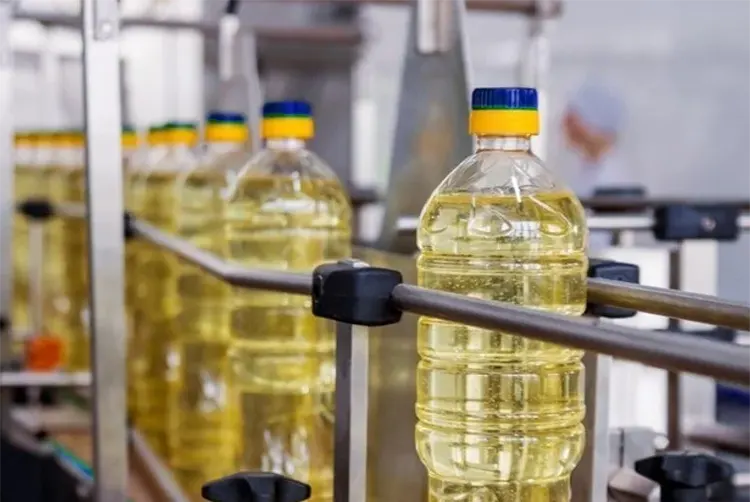
Finally, don’t forget to consider your factory’s production capacity and output requirements, oil viscosity, desired packaging specifications, budget, and desired level of automation. These are all factors to consider before deciding on a filling line. I think if you have sufficient budget at the beginning, starting the entire project will not be a problem.
Every business is different. Small start-ups care about flexibility, big producers focus on automation, and high-end oil brands need strict cleanliness. Ask yourself: what’s your production scale, oil type, packaging style, automation goal, and hygiene standard? Once you know these, you’ll be ready to build the best edible oil filling line for your business.
And if all of this sounds too complicated — don’t worry! You can work directly with GQ-Agri. We offer all kinds of machines — gravity fillers, piston fillers, overflow fillers, vacuum fillers, and pump fillers — and with over 15 years of experience, we truly understand your challenges. Contact the GQ-Agri team today — let’s start by building a smooth, reliable system to help your production grow!
Research surveys show, the global cooking oil market size was USD 204.55 billion in 2023 and is projected to grow from USD 218.36 billion in 2024 to USD 369.20 billion in 2032, growing at a CAGR of 6.79% over the forecast period (2024-2032). As society develops, more and more people care about food safety. The truth is, making sure the oil is high-quality on a filling line takes several important steps. These steps can help keep everything clean, accurate, and safe during the whole production process. What should we pay attention to, and how to make sure everything stays top quality?
1. Food-Grade Stainless Steel Construction.
How to make sure cooking oil stays clean and safe? We typically use food-grade stainless steel such as SS304 or SS316 when manufacturing filling equipment. These materials don’t rust, are easy to clean, and can help stop germs or dirt from getting into the oil. Therefore, based on our past experience, customers typically prefer a food-grade stainless steel filling machine, which ensures the purity and safety of their edible oil.
2. Automated CIP/SIP Cleaning System.
Modern edible oil filling lines should be equipped with CIP (clean-in-place) and SIP (sterilization-in-place) systems. Both systems are core features of modern filling lines. They automatically circulate cleaning and disinfectant solutions, allowing for complete cleaning and sterilization of the entire line without disassembling the equipment. The key benefits of a CIP system are huge. It reduces downtime and labor costs, ensures consistent and repeatable cleaning results, improves food safety by minimizing contamination risk, and conserves water and cleaning agents.
3. Precise Filling Volume Control.
Accuracy is key to every edible oil production line, typically influenced by the filling machine’s operating principle, filling head accuracy, and filling pressure precision.A medium-sized rapeseed oil plant that our GQ-Agri team previously worked with reduced its filling tolerance per ton of oil from ±10ml to ±2ml after upgrading to a pump filling line, saving over $10,000 in raw material costs per month. So what methods are there to ensure accurate filling?
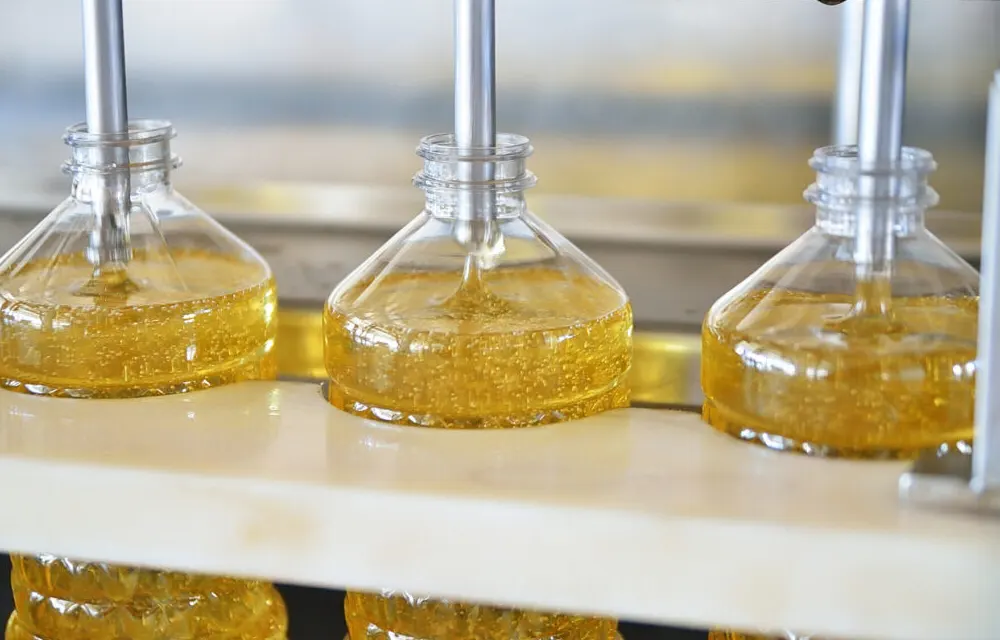
- Gravimetric filling: Uses load cells to deliver precise quantities, ideal for high-value oils.
- Volumetric filling: Accurately measures liquid volume to ensure a stable liquid level, particularly suitable for lightweight oils.
- Vacuum or pump filling systems: Adjust the flow rate based on the oil’s viscosity to reduce air bubbles and oxidation.
- PLC control: The density and viscosity of edible oil require high filling accuracy. It is recommended to choose a model with PLC control or a weighing system.
4. Seal Integrity and Leak Testing.
A tight seal is super important to keep cooking oil fresh and to stop leaks or contamination. If the bottle mouth is resealed after opening, the oxidation rate of the edible oil can be effectively reduced. To put it another way—if the bottle isn’t sealed properly, the oil can easily spoil, not to mention it might leak everywhere.
That’s why most factories run regular seal strength tests and use tools like the Fine-Tek leak tester to make sure no air or oil can escape. If every bottle on your line passes the test, stays fresh for months, and reaches your customers in perfect condition. Regular seal checks don’t just protect your product — they protect your brand’s reputation and show your buyers that your oil is truly premium quality.
5. Production Environment and Workflow Hygiene.
The production area must be kept clean, and the equipment layout must be reasonable to reduce the risk of cross-contamination. Keeping the filling area clean is one of those simple things that many factories forget — but it makes all the difference. One of our clients once told us that during every production meeting, they always ask, “Have we cleaned the line this week? Are we keeping the temperature and humidity stable?” Small habits like these prevent product spoilage and costly filling mistakes. Using standard bottles and doing regular equipment check-ups also helps keep production smooth, accurate, and worry-free — the kind of consistency every successful brand needs.
6. Employee Training and Food Safety Awareness.
Did you train your factory team today? A skilled and well-trained team is the foundation of consistent product quality. Many best factories don’t just rely on machines — the bosses also invest in their employees. Such as regular training on food safety, hygiene standards, and equipment care, this can help build a strong sense of responsibility and quality awareness among workers.
Choose a smarter way to earn your customers’ trust — start with your people. When your team knows exactly how to handle every step with care, you can reduce contamination risks and make sure every bottle of oil that leaves your factory is clean, safe, and premium in quality — the kind of product that keeps your brand shining.
Through the above detailed introduction, I believe you must now have a certain understanding of the quality control in the edible oil canning process. Take action now. Whether you are a small manufacturer looking to cooperate with a large and reliable supplier, or you are upgrading your own factory scale, these can be very helpful to you.

 Swahili
  English
  Indonesian
  Malay
Malay  Vietnamese
  Arabic