
How to Start a Profitable and Reliable Oil Mill?

I often see posts online asking: How to Start a Successful Oil Mill? We’ve had similar questions from our clients. But there’s never just one answer. I have witnessed some of my clients develop this simple idea into a thriving business, while I have also witnessed others fail and leave the market due to insufficient initial planning. Before starting a small oil mill, we need to clarify several questions: Why start an Edible Oil Pressing Business? What business opportunities lie behind this? How should we proceed at different stages of starting a successful oil mill? Are there any essential factors to we need to consider? How Much Investment is Required to Open an Oil Mill and so on. Are you still feel confused? Based on my years of experience dealing with clients, I will share with you in detail how to start a successful oil mill. Additionally, I’ll provide some professional insights into machine selection for your oil mill business. I hope this will help you.

Why Start an Edible Oil Pressing Business?

The global cooking oil market size was estimated at USD 171,938.3 million in 2023 and is projected to reach USD 253,750.0 million by 2030, growing at a CAGR of 5.8% from 2024 to 2030. These data clearly demonstrate the significant growth potential of the global oil pressing business. The potential for high profits all can through value-added products and byproducts, as well as opportunities in emerging markets, are continuously increasing for edible oil pressing companies. Given the diverse revenue streams generated from edible oil byproducts, the benefits of opening an oil pressing workshop are self-evident.
With strong statistical data supporting the oil pressing industry from big data, many companies are eager to develop edible oil production lines. So, what should companies pay attention to when launching this business? I will elaborate on the following points that are of most concern to businesses.

  • Low Investment. When starting a new business line, many businesses ask: How much investment do I need to start this business? The truth is, the investment for opening an oil pressing workshop is very low. Typically, an oil pressing workshop only needs to configure a few pieces of equipment, such as a multi-functional screw press, a hydraulic oil press, an oil filter, some stainless steel oil tanks, and some raw materials, according to the business route and process to start operating. It’s that simple.
  • Wide Customer Base. This is another benefit of opening an oil pressing workshop. This key point effectively solves a crucial problem faced by most business models in their early stages: Do I have customer resources? What is my customer base like? In the context of discussing an oil pressing workshop business, this question is completely unnecessary. As far as we all know, cooking oil is a necessity in every household kitchen and an indispensable part of people’s lives. Cooking oil is essential behind every delicious meal. Furthermore, as consumers increasingly value health and nutrition in now society, a small-scale oil mill can produce oils with specific health benefits to meet people’s needs.
  • Low Barrier to Entry. Starting an oil pressing plant doesn’t require much specialized skill; you just need to know how to operate an oil press machine. Moreover, with continuous oil pressing equipment updates and iterations, many oil press machines now have very simple operating procedures and are easy to learn. For example, GQ-Agri has many machines with fully mechanized designs; this type of machine, used in small oil mill production lines, only requires 2-3 workers to operate.
  • Profitability is strong. A small-scale oil mill by simplifing its production process, improving operational efficiency, and implementing cost-effective measures.Additionaly,when you eatabilsh a small oil mill,meaning that residents within a radius of tens of kilometers are likely to become your stable customer base.

What are the three main profit models for an edible oil pressing business?

I’ve seen too many clients hesitate because they’re unsure if oil pressing production is profitable. Are you also hesitant because you’re confused about how to make this business line profitable? In recent years, I have visited many clients in this industry. By collecting their business models and information, I have summarized the following main profit models.

Oil pressing plant in a farm community

Self-Production and Self-Sales: The Most Intuitive and Easiest Model to Start

Self-production and self-sales is the most common and easily understood business model in the edible oil pressing industry. Many of our clients, as oil press entrepreneurs, typically purchase raw materials such as peanuts, rapeseed, and sunflower seeds, and use oil presses to extract corresponding types of edible oil: peanut oil, rapeseed oil, sunflower seed oil, etc. The oil is then bottled, labeled, and sold to nearby small supermarkets or residents. The core advantage of this model is its direct cash flow and fast payment collection. Customers have a natural trust in “freshly pressed, visible, and transparent raw materials,” thus successfully accumulating their first batch of loyal customers.
However, many people overlook one point: self-production and self-sales is not the “selling point,” but rather the “entry point.” Once the product is stable, medium-sized enterprises will further upgrade on this basis: by improving oil quality and unifying packaging and brand image, they can successfully upgrade from “selling oil to the surrounding area” to “regional supply.” As customer demand expands, the subsequent transformation of our business model becomes obvious.

Processing with Supplied Raw Materials: 

 This business model typically involves customers delivering raw materials to an oil mill for pressing, with the mill charging a small processing fee. The appeal of this model lies in the fact that businesses don’t need to stockpile raw materials, significantly increasing equipment utilization. In many regions, this is a business built on trust; farmers and consumers are more willing to pay for a “visible processing process.” Therefore, there is virtually no market risk, and income is relatively stable and predictable.
It’s important to note that for medium to large-sized enterprises, this model often doesn’t operate in isolation. It serves as a supplement during off-seasons, increasing the annual operating rate of equipment and accumulating real market feedback on raw material quality and pressing processes. Smart operators don’t just calculate “how much processing fee they earned,” but rather “what these customers can bring in the future.”

Raw Material + Service Combination: Multiple Revenue Streams

In many cities, consumers lack the means to grow or reliably obtain oilseeds, but they strongly desire “authentic fresh-pressed oil.” At this point, oil mills can offer raw material purchasing services. They can buy raw materials at low prices and then sell them to consumers at slightly higher prices, while also providing free oil pressing services. Furthermore, the oil cake left over after customers’ pressing can be sold to producers at a lower price, thus increasing revenue.

In this way, three revenue streams are generated simultaneously in a single transaction: profit from the raw material price difference, customer loyalty from the oil pressing service, and revenue from the sale of by-products (oil cake). This is why many oil mills, even those that appear small in scale, actually have profitability far exceeding expectations.
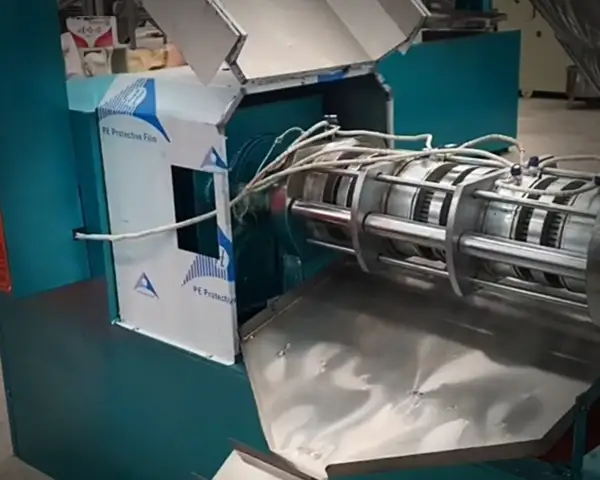
Screw Oil Press – Hot-Pressing Workhorse

For hot-pressed oil production, screw presses are your foundation. These machines excel at processing hard-shell seeds like sunflower, peanut, and sesame with impressive efficiency. What I appreciate most is their durability—built for continuous operation in demanding environments. High throughput capacity means you’ll meet production targets consistently, while their robust construction ensures years of reliable service. If you’re focusing on traditional hot-pressed oils where volume and operational uptime matter, screw presses deliver the performance your business needs.

How Do I Set Up An Oil Mill?

In the initial stages, we must first conduct thorough market research. Ahmed is a small agribusiness owner. When he first thought about starting an oil mill, he told me it seemed simple. He had access to local sunflower seeds, a small piece of land, and strong demand from nearby markets. But once real planning began, questions came quickly: Which oil pressing process should he choose? Who are his target customers? How to choose machines rightly? Using Ahmed as an example, I will explain step-by-step the entire process to help entrepreneurs preparing to establish their own oil mills clearly understand the process.

Before we begin, as local entrepreneurs, we must first conduct thorough market research, including: the types of oilseeds and crops to be processed in the future, an analysis of current competitors, daily production capacity planning, and the commercial positioning of the finished oil.

  • For an edible oil pressing business, raw material selection is not just a supply issue—it is the foundation of the entire processing strategy. Different oilseeds directly determine the extraction method (cold pressing vs. hot pressing), equipment configuration, production cost, and even final market positioning. For example, oilseeds such as avocado, olive, sesame and walnuts tea seeds are usually better suited for cold or low-temperature pressing, where oil quality, flavor, and nutritional value are the top priorities. But commodities like soybeans, peanuts, rapeseed, rice bran, and sunflower seeds often require hot pressing or solvent extraction to achieve acceptable oil yield and commercial efficiency. With proper filtration or refining systems, hot-pressed oil can also meet commercial and even high-end market standards.
  • Another critical step is understanding competitors. Analyzing competitors’ processing methods helps determine whether the market is already saturated with similar products. More importantly, it reveals weaknesses such as unstable oil quality, insufficient filtration, lack of food-grade certifications, or the inability to enter supermarket and institutional supply chains. These insights provide valuable references during the early planning stage and help answer a key question: has the market already been “educated” by one dominant process, or is there room for differentiation?
  • Product positioning is not just a marketing decision—it is an engineering decision. Once the target consumer group is defined, the processing method, filtration level, and equipment standards are largely determined. Mass-market edible oil prioritizes clarity, shelf stability, and cost control, which pushes producers toward efficient filtration systems designed for high throughput and continuous operation. High-end or health-focused oils, however, require gentler processing, lower filtration temperatures, and higher precision to preserve nutrients. In this case, filtration equipment becomes a core investment rather than an auxiliary tool.
  • Production capacity should not be defined only by how much a factory can produce, but by how much the market can absorb. Overcapacity increases financial pressure, while insufficient capacity limits growth and responsiveness. Therefore, equipment selection must consider not only daily output but also workflow rhythm and sales channels. For example, when customizing GQ-Agri refining equipment, the tank size and functional components are customized according to the oil pressing workshop entrepreneur’s daily production plan and refining depth requirements.
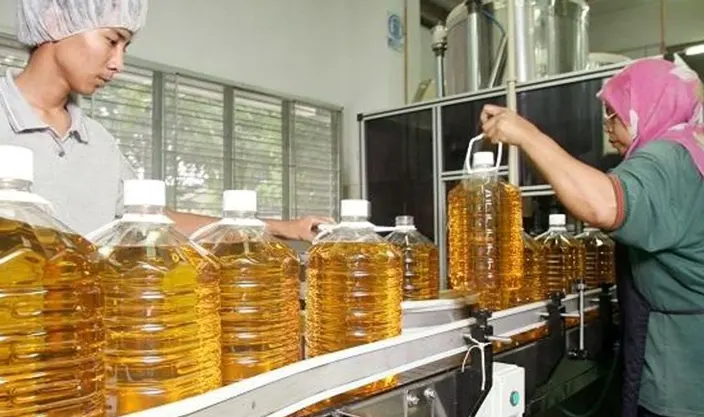
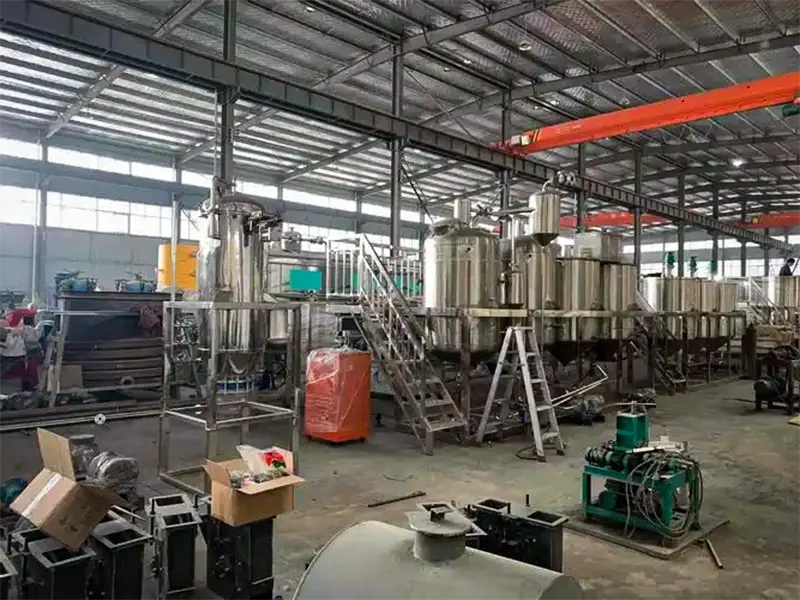
Client Ahmed's oil pressing plant in Malaysia
Client Ahmed’s oil pressing plant in Malaysia

Starting an oil pressing business is far more complex than simply owning land. Success comes from integrating raw materials, processing technology, oil grade, and market positioning into a well-coordinated system.
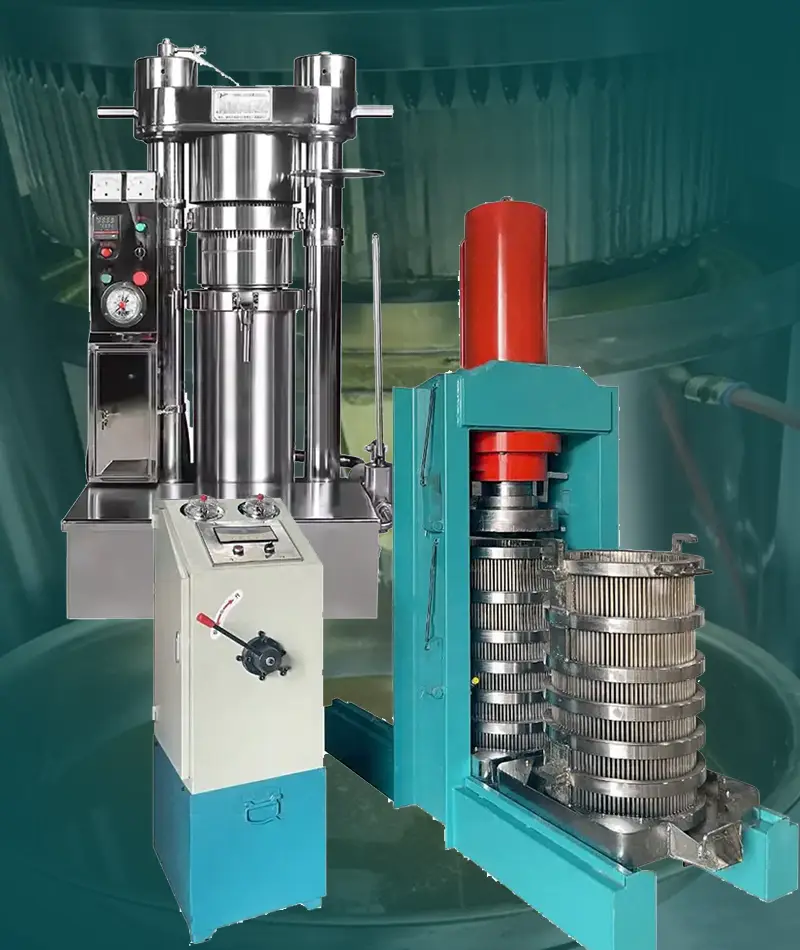
Hydraulic Cold Press – Premium Oil Production

Here’s where you capture premium market segments: hydraulic cold pressing. This gentle extraction method preserves delicate nutrients, antioxidants, and natural flavors that health-conscious consumers actively seek. Perfect for virgin olive oil, avocado oil, or specialty nut oils, hydraulic presses operate at controlled low temperatures, protecting heat-sensitive compounds. Yes, the initial investment is higher, but the premium prices you’ll command for nutrient-rich, first-pressed oils create exceptional profit margins that justify the equipment cost.

What Factors need to be Considered When Opening an Oil Mill?

Starting an oil pressing plant requires clear planning from the outset. I often tell my clients that they need to consider many factors, such as which crops to process, daily output, plant size, sales positioning, equipment investment, and site requirements. We need to consider clearly, every choice we make will affect oil quality, operating costs, and long-term profits. I’m sure you don’t want to make costly mistakes. Understanding key factors such as crop type, daily output, finished oil quality & sales positioning, site, and budget early on is crucial for establishing an oil pressing workshop that can steadily grow and expand over time.
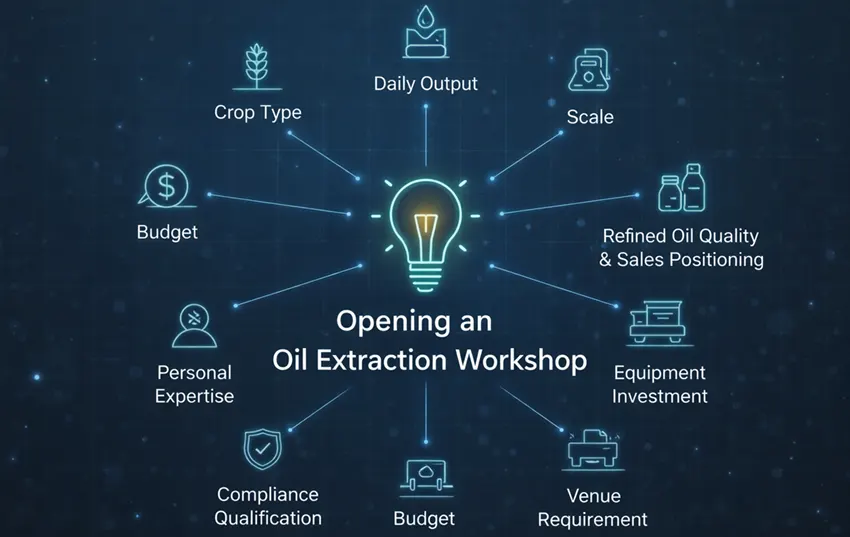
Considerations for establishing an oil mill

Crop Type.

As a company intending to establish an edible oil mill, you need to determine what type of oil you want to produce and the corresponding raw material crops. Edible oil raw materials are diverse, with more than a dozen common oilseeds. Different oilseeds require different processing equipment; Based on our past experience, peanuts and nuts need to be shelled, while soybeans are suitable for hot pressing with a screw press, avocados are usually subjected to hydraulic cold pressing to retain nutrients, and walnuts are suitable for both hot and cold pressing. Processing equipment needs to be selected specifically according to the type of oilseed. After determining the type of raw material, you can consult a professional equipment supplier to understand the technical details of the machine.

Daily Output Size & Scale Positioning.

The requirements for small-scale farm oil mills and medium-sized commercial projects are different. For processing plants with a daily processing capacity of less than 20 tons, pressing technology can be considered. The equipment configuration mainly includes cleaning equipment, oil presses, filters, and conveying equipment. For plants with a daily processing capacity of more than 20 tons and with lower oil content, such as soybean oil processing plants or rice bran oil processing plants, solvent extraction technology is a good choice. The equipment configuration requires pre-processing equipment, solvent extraction equipment, and refining equipment. Therefore, the overall equipment cost is higher than that of pressing technology, so the investment budget will also affect the choice of equipment configuration for the edible oil processing plant.

Finished Oil Quality & Sales Positioning.

Oil grade is one of the important indicators for measuring the quality of edible oil. Different grades of oil have different uses and market prices. According to relevant national standards, edible oil can be divided into four grades: Grade 1, Grade 2, Grade 3, and Grade 4, which is a classification of the degree of refining. The quality of oil produced will vary depending on the oil processing equipment chosen. Therefore, we also need to clarify what quality of finished oil we intend to produce. This allows for the selection of appropriate processing equipment. Additionally, note that different oil qualities also influence our sales positioning. If targeting mid-to-high-end consumers, we naturally need to choose better processing equipment. Generally, refining equipment is used to remove gums, phospholipids, and excess odors from the oil, ensuring that the finished oil meets market testing standards. Brands that focus on cold-pressed, high-nutrition products need to use fine filter presses to avoid high-temperature refining destroying vitamins and antioxidants in the oil.

Site Requirements.

The location of the edible oil mill is crucial and will have a significant impact on your business. Prioritize establishing the oil mill near crop plantations or suppliers. The biggest advantage of doing so is that it minimizes transportation costs and facilitates storage. Local power conditions are also important, as they affect the stability of the power supply to our processing equipment.

Obtaining Necessary Permits and Licenses.

After the land is ready, you will need to obtain legal certifications or licenses from the local government. You can visit relevant websites to ensure you understand and comply with all state and local regulations and obtain the necessary permits.

Human Resources.

The selection of the team will determine the efficiency and safety of the factory operation. When recruiting employees, we usually prioritize skilled and experienced workers. Having extensive knowledge and expertise in the relevant field is crucial for smooth operation. GQ-Agri provides all customers with machine instruction manuals and technical guidance to ensure that even those with no prior experience can quickly get started.
In some areas where labor costs are high, it’s necessary to replace them with machines whenever possible. James from the United States discussed this with me. His farm used to employ three workers (each earning $3,500 a month) to clean avocados before pressing them for oil, but purchasing a bubble cleaning machine only cost $7,500, which not only reduced labor costs but also increased production efficiency.

Budget.

When starting a manufacturing business, we need to consider raw materials, machinery, and capital. These necessary expenses should be considered in advance to clarify our budget. Different budgets determine the machines we can purchase, and consequently, the scale of production we can undertake. Furthermore, the cost of a production plant depends on its scale (construction costs) and the equipment used (equipment purchase costs). Building a production plant requires consideration of factors such as terrain, geology, and climate, as well as architectural design and construction materials. Small-scale oil mills in rural towns (processing less than 5 tons per day) typically use physical pressing, with initial construction costs controlled at around $10,000-$20,000. However, once oil production reaches a certain scale (processing 20 tons per day), expansion of space and equipment is required, bringing the total budget to the $100,000 range. Large edible oil producers, having established well-known brands, will have multiple physical pressing and solvent extraction production lines, with budgets exceeding one million dollars.

This constitutes the entire process of setting up a small oil mill. From initial simple market research to all the factors we need to consider before establishing a small oil mill, all these necessary conditions are interconnected, forming the complete chain for establishing a small oil mill.
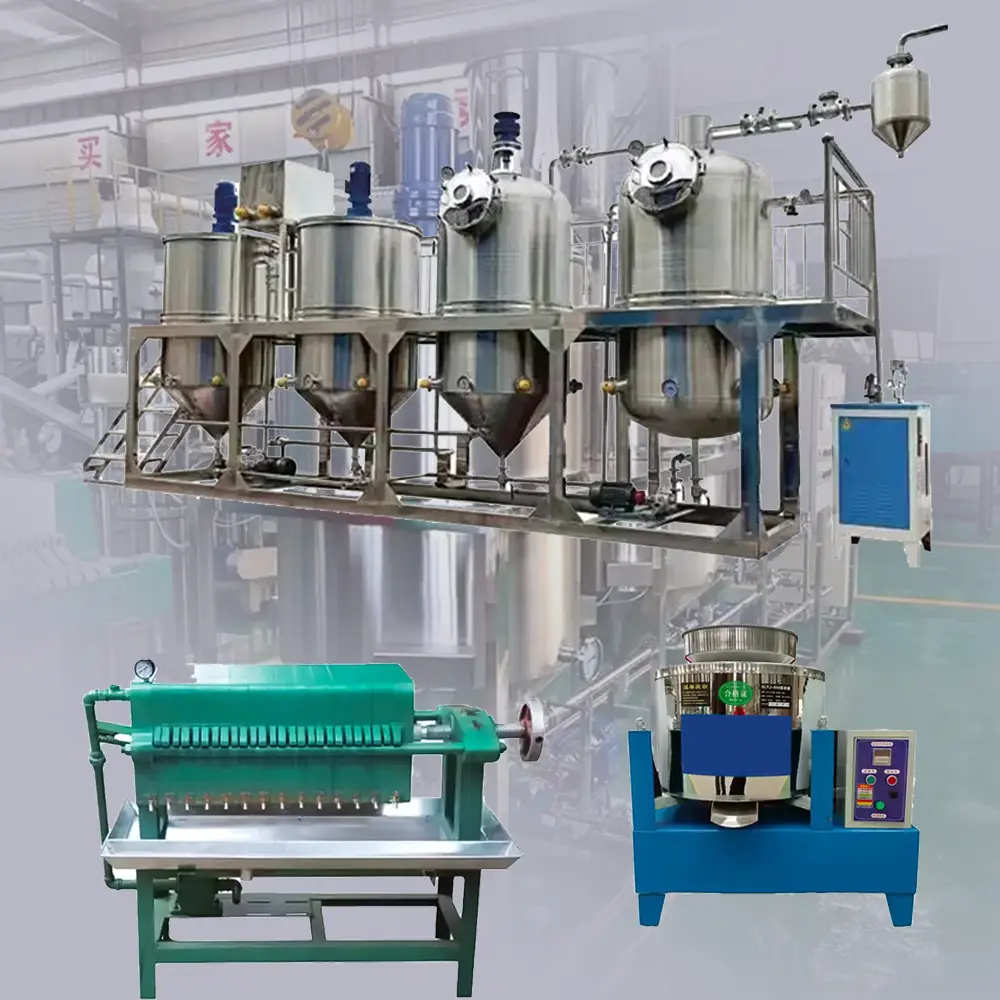
Auxiliary Processing Equipment

Smart oil mill operators know success lies in the details. Our auxiliary equipment range includes bubble washers for thorough seed cleaning, electromagnetic drum roasters ensuring uniform heating, decanter centrifuges for efficient solid-liquid separation, and automated filling machines for consistent packaging. These supporting systems eliminate bottlenecks, maintain hygiene standards, and streamline your entire production workflow. Investing in complete solutions rather than piecemeal equipment prevents costly operational inefficiencies down the line.

How Much Investment is Required to Open an Oil Mill?

The investment required to open an oil mill varies significantly based on scale.And before starting an oil mill, it’s important to plan your budget carefully. But actually ,many first-time investors skip this step and end up facing unexpected costs halfway through the project. A small peanut oil workshop owner in Kenya Kimi once shared that he spent almost double the planned amount simply because he didn’t calculate equipment installation and monthly energy costs in advance. To avoid this situation, we should fully consider the following factors summarized from customer feedback records:

  • From the initial setup phase, our first investment is in site costs. At this stage, you might plan to rent a small workshop or choose to build a factory from scratch—this is the beginning of our business. I always remind my clients to consider cost, accessibility, and future expansion potential when choosing a site. 
  • Next is equipment, including seed cleaners, oil presses, filters, and refining units. Choosing reliable equipment here is crucial. Cheap equipment often leads to higher long-term losses. 
  • Next is installation. For cross-border equipment procurement, you need a supplier who can provide fully plugged-in, ready-to-operate equipment, rather than having to assemble it yourself after receiving it. For large processing systems (e.g., animal oil processing equipment), the supplier needs to provide technical support. Fortunately, GQ-Agri supports dispatching technicians to provide on-site installation guidance after receiving a customer’s request.
  • Next are ongoing operating costs, which I’ve seen far too many new businesses underestimate. Then, in the later stages of operation, they face financial difficulties due to the insufficient budgeting at first. First, we need to consider labor costs, which vary by region and usually require strict calculation based on local wage levels. Energy consumption (electricity or diesel) is another major component of the monthly budget, especially when processing and production reach peak periods. 
  • You also need to prepare additional packaging materials, the price of which fluctuates depending on the target market. 
  • In addition, there are maintenance costs. A reliable device will come with a one-year warranty, but a machine cannot be used for only one year. Therefore, a small amount of funds needs to be reserved for routine maintenance and replacement of spare parts after many years of operation.

What are the approximate budget requirements for oil mills of different sizes? We typically categorize them into three sizes:

Oil Mill SizeDaily CapacityEstimated Initial Investment
Small Oil Mill5–10 tons/dayUS$20,000 – US$48,000
Medium Oil Mill5–20 tons/dayUS$48,000 – US$150,000
Large Oil Mill20+ tons/dayUS$300,000+

But noted: Actual budgets will need to be adjusted based on local land/building costs, labor costs, electricity/energy prices, and the availability of oilseed feedstock.

Oil Filtration Systems

Let’s talk about what truly differentiates your product: filtration quality. We offer comprehensive solutions including centrifugal separators for rapid clarification, vacuum filters for moisture removal, pneumatic systems for gentle processing, and complete refining equipment for premium-grade finishing. Each filtration type addresses specific quality requirements based on your target market positioning. Whether you’re producing rustic artisanal oils or refined commercial-grade products, the right filtration system is completely customizable to match your quality standards and business goals.

What equipment do you need to start an oil pressing business?

After obtaining a business license and selecting a site, it’s time to “move the machines into the factory.” If it’s just a small oil pressing plant in a rural town serving local farmers, typically all you need is a seed cleaner, a roaster, an oil press (such as a screw press or hydraulic press), and an oil filter. However, if you’re building a large commercial edible oil plant, a detailed plan is required. First, we need to understand the following factors: processing capacity, budget, target oil type, and level of automation. Once these factors are clear, we can create a feasible equipment list, thus avoiding over-investment to some extent.

First, all oilseeds need pre-treatment. This includes washing, dehulling, crushing, and cooking/roasting processes to ensure the crop is in good condition before pressing. Different crop types require different pre-treatment equipment. The corresponding steps typically involve the following pre-treatment equipment: cleaning equipment (washers, vibrating screens), dehullers, fruit and vegetable peeling and pitting machines, crushers, drum roasters, or cooking machines.

Then, the oil is extracted using pressing equipment. It needs to be noted that oil presses can be further divided into hydraulic presses and screw presses, and different presses are suitable for different types of oil. Screw presses are specifically designed for continuous oil extraction from various seeds. It supports hot pressing processes, saving time and labor, and achieving a high oil yield. It can process over 20 common oilseeds, including palm kernels, sesame seeds, peanuts, soybeans, rapeseed, sunflower seeds, hemp seeds, and cottonseed. Unlike mechanical screw presses, hydraulic presses rely on the slow and steady pressure of hydraulic cylinders to compress oilseeds and extract oil. For some producers focusing on high-end edible oils, hydraulic oil presses can produce virgin edible oils with high nutritional value. The oil pressing process can maintain a relatively low temperature (<60℃), and the natural nutrients and flavor of the oil will not be destroyed during the pressing process. Therefore, it is particularly suitable for high-value cold-pressed oils such as sesame oil or walnut oil. And the GQ-Agri’s hydraulic oil presses utilize uniform low-temperature pressure to maximize the preservation of flavor, aroma, and nutrients from oilseeds such as olives, avocados, sesame seeds, and walnuts.

Oil filters help improve the purity of the oil by removing solids, fine particles, moisture, and other impurities. This allows small farms and processors to efficiently produce clean, market-compliant edible oil. GQ-Agri offers a variety of types of oil filters, including centrifugal, vacuum, pneumatic, and plate and frame filters, as well as complete refining systems. These different types of equipment help producers achieve local and export quality standards for their oils, while extending shelf life and building consumer trust.

Filling machines handle the final step—packaging the oil into bottles or containers. GQ-Agri offers a full range of filling machines: gravity filling machines, piston and pump filling machines, overflow filling machines, and vacuum filling machines. These machines remove air during the filling process, improving filling accuracy and helping to maintain hygienic packaging standards for edible oils and other liquid products. GQ-Agri also offers custom filling machines and complete custom filling production lines to meet your production capacity and budget needs.

Also, to help you choose the right equipment according to your production goals, here are some practical tips:

  • If you plan to press high-value cold-pressed oils such as olive oil, avocado oil, walnut oil, or camellia oil, you can choose a hydraulic press. It can effectively retain the flavor, nutrients and color of the oil, while keeping the temperature low.
  • If you are processing a variety of oilseeds and need higher yields, a spiral oil press is more suitable. It can run continuously with stable performance and higher oil yield, which is the ideal choice for commercial production.
  • If your process uses hot pressing, it is recommended to add a roller roaster (also known as a roaster or cooking machine). Heating helps to increase oil yield, improve aroma, and prevent mildew of oilseeds during storage.
  • If the phospholipid or colloid content of crude oil is too high, the use of a centrifugal oil filter can quickly remove colloids, impurities and water. This is especially true for soybean, rapeseed and sunflower oils.
  • If you are looking for higher clarity and brightness, especially for high-end products, the plate and frame filter press will bring excellent purification results and crystal clear finished products.
  • If the final oil product will be supplied to supermarkets, high-end brands or exported, it must go through the refining process. This step removes free fatty acids, odors, pigments and impurities, ensuring that the oil meets food-grade standards.

These practical tips can help you avoid common mistakes. Don’t buy equipment blindly. A successful oil mill needs to be matched with its production scale, raw material supply, and market demand. Before making any investment, request a list of process designs, yield tests, and customized equipment from professional manufacturers to ensure that every machine you purchase truly helps your business grow. If you are still unsure which to choose, learn more about the GQ-Agri team; with over 15 years of professional experience, we hope to assist you. The GQ-Agri team can design the optimal machine configuration for you based on the specific oilseeds you plan to process, maximizing your return on investment.

Starting an oil pressing business requires meticulous planning, effective risk management, and building a production system that can operate efficiently for many years. How to start a successful oil mill? We need to master the fundamentals: selecting suitable raw materials, rationally planning the factory scale, investing in stable and efficient equipment, and clearly positioning the final product in the market.
Many new investors fail not because of weak market demand, but because of a lack of accurate planning in early decision-making. Stable operation highly depends on equipment reliability, while long-term profitability requires consistent oil quality and a strong marketing strategy, allowing our products to stand out in a competitive market.

Have questions about how to set up an oil pressing plant?

Our professional team will help with rational planning.

FAQ

For a “small oil mill” with low daily output (e.g., less than 10 tons/day), a recommended plant area is approximately 10 m × 6 m × 6 m. If the capacity is between 10 and 50 tons/day, the recommended plant area is approximately 38 m × 13 m × 8 m (processing area) + a wider refining/post-processing area (as needed).

When using GQ-Agri oil pressing equipment, a small edible oil refinery (batch-type refinery plant) with a capacity of 1–10 tons/day may only require a few people, 2–3. If the equipment is automated and the process is simplified, even fewer people will be needed. Conversely, more workers will be required.

The time required to install an oil pressing production line ranges from a few days to more than a year. Small, simple production lines (daily output 1-5 tons) can be installed within a week, while large, more complex lines (daily output 15-50 tons or more) may take months or even more than a year.

To ensure the quality of edible oil, the finished oil must obtain mandatory food safety certifications in the sales market. For example, FSSC 22000, HACCP, or ISO 22000. In addition, import/export licenses for the target market country/region(e.g., SFA license for Singapore, GACC license for China) and health certificates are required. For high-end edible oil brands, to enhance market appeal, they can also choose to obtain RSPO, USDA organic certification, non-GMO certification, or halal certification.

Ensuring oil quality requires attention to multiple aspects: selecting suitable raw materials, using reliable and clean pressing and filtration equipment, and strict production processes and quality testing.

Yes. For example, some corn germ oil plants have started small (pressing + refining) and gradually expanded to a complete production line (pretreatment + solvent extraction + refining + packaging).

We can help you determine the optimal machine solution based on your needs. Furthermore, we provide comprehensive after-sales support, including installation guidance, operator training, technical support, and ample spare parts supply.

arArabic