
Contact Us Now


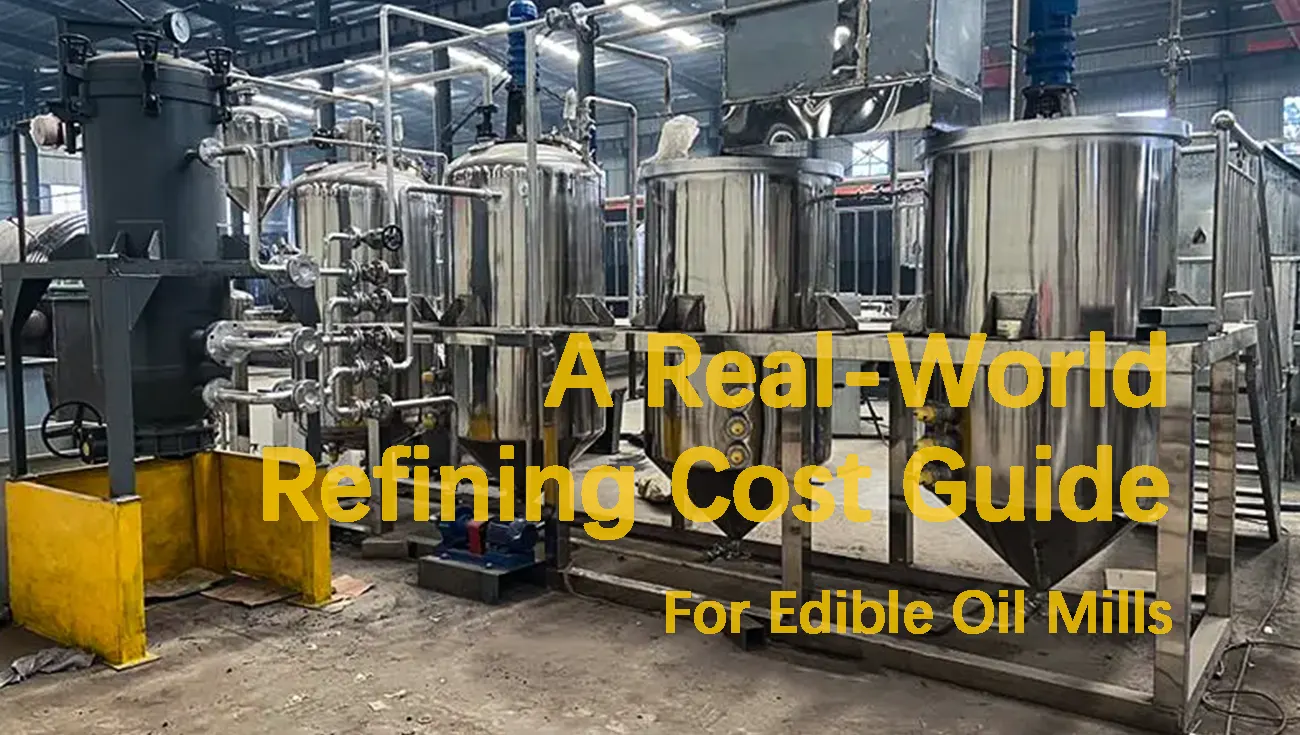
While assisting medium-sized oil mills in Southeast Asia, Africa and South America, I have observed again and again that the question of the “cost of refining 1 ton of edible oil” arises, but a predominant concentration is on the first step of raw oil purchase with the balance of cost analysis neglected. Edible oil refining costs are determined by a combination of factors, including refining equipment costs, energy consumption, labor, raw materials, and routine maintenance and consumable costs.
When a peanut oil press in Senegal or coconut oil mill in Mindanao inquires “What is the cost of refining 1 ton of edible oil?” it is tempting to center the conversation about oil prices and bathing oil prices. But this question is only pertinent if the exploration includes capital investment in equipment, energy cost, labour cost, losses and maintenance. To ignore any of these vital elements is to remove a large piece of the profitibility puzzle.
Purchase of Refining Equipment.
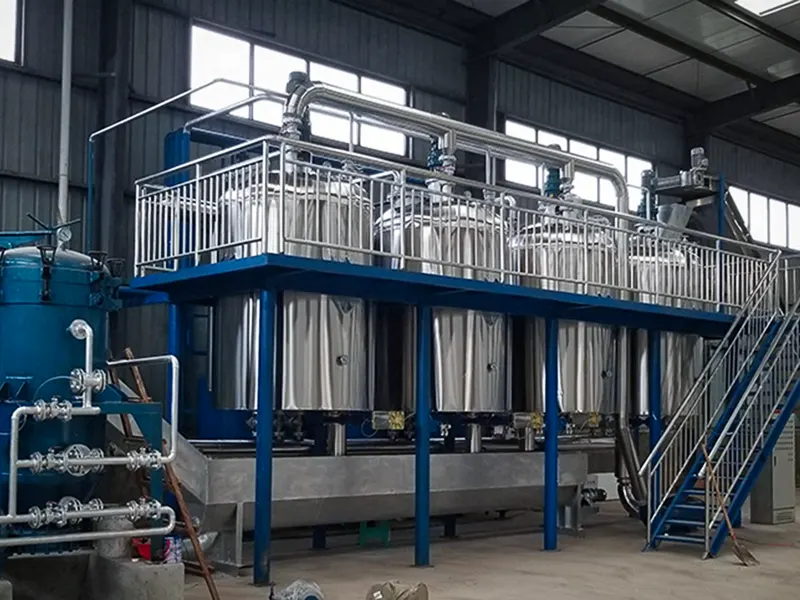
The capital expense of the refining line fixes all other expenses . Depending on the depth of refining, whether degumming (degumming), deacidification (deacidification), bleaching (bleaching) and deodorisation (deodorisation) are included the nature and number of tanks needed, heat source systems, vacuum systems and automation control systems vary considerably. For example a semi-continuous 10 TPD refiner costs far less then a continuous 50 TPD refiner. According to industry data, the cost of refining equipment for small and medium-sized edible oil processing ranges from US$15,000.00 to US$500,000.00 depending on its capacities and configurations.
The appropriate choice of refining equipment size and arrangement to the particular feedstock, be it palm oil, peanut oil, soybean oil, coconut oil, sunflower oil or other crops of the region can allow the oil mills to maximize their investments in equipment, lower their refining losses and energy use, and finally reduce the total cost of refining edible oils.
Energy Cost.
This is one of the more significant continuing expenses. The refining process is energy dependent on use of electricity, steam, or fuel (for example a hot-oil furnace or boiler). During periods of high energy usage, for example deodorisation under high vacuum and temperatures, the energy consumption increases. In small and medium sized oil processing enterprises the selection of an optimum means of automation control and the implementation of an energy saving system (for example heat recovery from the deodoriser) can result in far lower energy costs per tonne. Higher automation levels result in higher heat recovery rates, significantly reducing energy consumption during large-scale edible oil refining.
Labour Costs.
Labour costs are closely tied to the degree of manual work that remains. A semi-automatic line may have a number of operators, whereas a fully automatic line will need only 1-2 technicians plus a person to do packaging or supervision. For example, a 10 TPD automated refining line may only need 1-2 operators plus one person for supervision, which reduces wages and supervision overheads by 30-50% compared to a more manual system. The reduced labour costs per tonne helps to reduce your edible oil refining cost.
Raw Material Losses & By-product Recovery.
Refining will always mean some loss, commonly spoken of as refining loss. This loss involves the soap stock that results from alkali neutralisation, the filtering loss from bleaching earth, loss through added volatile matter in deodorising, etc. The normal loss rate may be from 1-3% of the crude oil input. If you do not involve by-product recoveries (soap stock, etc., high-FFA acid oil) in computing the margin, you are losing offsets in cost. Advanced refining production lines can separate impurities, facilitating byproduct recovery and offsetting refining costs.
Maintenance and Consumables.
Consumables and maintenance are a silent cost driver: bleaching agents (active white earth or acid-activated clays), activated carbon, alkaline solutions, filter medium, suction pump servicing, tank linings repair and replacement, etc. For example, the consumption of bleaching earth may be 0.5-1.0 kg per tonne of oil treated. Fluctuations in the price of consumables and unexpected repair costs during maintenance can affect the overall cost of edible oil refining.
The following is a detailed breakdown of costs recorded from our follow-up visits to hundreds of customers’ edible oil refining production lines in different regions. Figures are used to show the average percentage of total refining cost per tonne, according to the various daily processing capacities.
| Cost Breakdown by Refining Capacity (Typical % of Total Cost per Tonne) | |||
|---|---|---|---|
| Cost Item | 5 TPD Mini Line(Peanut / Soybean) | 20 TPD Standard Line(Palm / Peanut / Sunflower) | 50 TPD Medium Line(Palm / Soybean) |
| Equipment depreciation | 40% | 32% | 26% |
| Energy | 20% | 24% | 28% |
| Labour | 20% | 14% | 10% |
| Refining losses | 12% | 20% | 24% |
| Maintenance / Consumables | 8% | 10% | 12% |
Smaller 5 TPD systems accrue greater depreciation and labour ratios due to allocation of the fixed cost over less tonnes. The optimum combination of capital cost and active efficiency of most regional mills is found in the A round 20 TPD. Bigger 50 TPD lines depreciate and labour shares less but exhibit greater energy consumption and refining losses percentages since they have greater temperature loads, greater vacuum systems, and longer deodorisation times.
Therefore, if entrepreneurs are meticulous enough, calculating edible oil refining costs involves more than simply considering the price difference between crude and finished oil. From the perspective of somebody working with reasonable-sized oil mills, the big idea is this: an oil refining equipment price does not stand alone—the other cost components (energy, labour, losses and maintenance) connect directly into it. Higher investment in the equipment usually means more automation and lower costs for labour and energy per ton—but this is only the case if you are able to operate the equipment efficiently with proper scaling for your crop and region. By laying out each of these cost components in detail, you will see clearly what your true edible oils refining cost is—and your margin opportunity.


Following on from our discussion on the main costs of edible oil refining, it is important to also review the upstream side – the commodity itself. Every single drop of crude oil that enters your refining line possesses unique characteristics which determine how far and how well it must be refined. Crude oil quality directly affects refining costs, as purer and more stable crude oil requires less refining depth, resulting in lower energy, material, and refining time consumption, and producing higher-value finished edible oils.
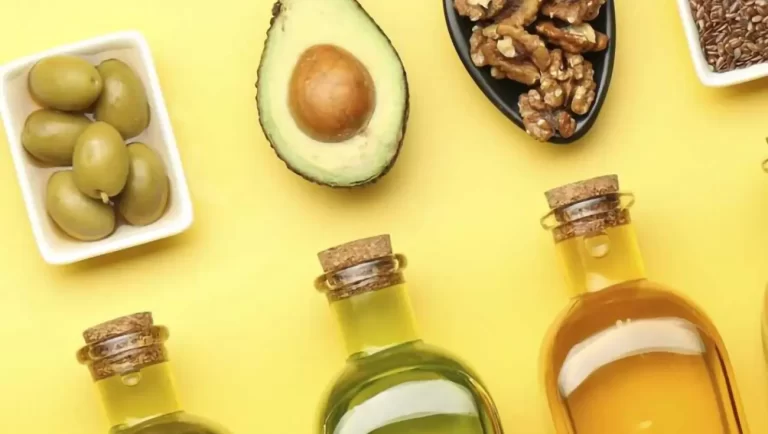
Edible oil producers worldwide refine a wide variety of oils, including soybean oil, palm oil, peanut oil, sunflower oil, and even animal fats. These differences in raw materials directly determine the cost structure of edible oil refining equipment. Different crop types, and even different varieties of the same crop from different regions, have distinct requirements for each refining step.
To illustrate this point, crude palm oil has a higher than normal free fatty acid (FFA) material due to its fruit production chain and storage conditions. Peanut oil can contain higher levels of residue moisture and impurities if the seed preparation method is low. Soybean oil can use more of its content of phospholipids (gum) and therefore have an excess of water. Sesame oil has strong natural colourants and flavourants which need severe bleaching and deodorisation. Such characteristics of individual crops require changes in the downstream refining plant and processes in relation to which the increase in cost of the refining plant and the continuing costs per ton process are decided.

FFA, Moisture, Impurities: Direct Cost Drivers.
When high FFA contents are present in crude oil, the neutralisation or de-acidification process takes more caustic solution, has a longer period of contact, larger soap-foot formation and greater loss of oil. The FFA level is given in industry reports as “a statistically significant variable to obtain commercially acceptable values in the FFA content of palm oil” in refined palm oil.
High levels of moisture or impurities increase the work load of the degumming and deodorisation operations, i.e. the filters clog more quickly, consumption of bleaching earth increases, cycle time is longer – giving an increase in energy costs and labour and consumeables element of the product and packing. Strong pigment contents and odour precursors all cause deeper bleaching and more rigorous deodorisation (higher vacuum and steam consumption), giving a higher energy and higher refining loss. The correlation between impurity levels in crude oil and increased refining costs is well documented.
Imagine two batches of soybean crude oil: Batch A with FFA 2 % and Batch B with FFA 8 %. For Batch B the neutralisation step may consume 30 % more caustic soda, extend treatment time by 20 %, and add roughly 1 % extra oil loss through soap stock and carry-over. That additional oil loss and the extra treatment time increase the unit cost to refine 1 ton of edible oil significantly. When planning equipment investment and operating budget, the crude oil quality cannot be ignored—it dictates the depth of process and hence cost scaling.
In short, crude oil quality sets the tone for every refining stage. Oils having low FFA, low moisture, and very little impurity will require less energy, less salting and treatment with chemicals, and will give a larger yield with lower refinings per ton. On the other hand, low-grade oils mean larger costs for neutralization, bleaching and deodorization and these expenses will definitely also have their influence upon the profit and the life of the equipment. When the quality of the oil to be put into the plant has been determined, the next step is to consider the efficient means by which such refinings may be accomplished.

 Arabic
  English
  Indonesian
  Malay
Malay  Swahili
  Vietnamese